
Relief from Jaw Pain and Dysfunction
Diagnosis and treatment for TMJ problems
TMJ Treatment for Oakmont
Why Oakmont patients choose Bonin Dental Care
TMJ disorder encompasses a range of problems affecting the jaw joint and surrounding muscles. Symptoms include jaw pain, clicking, popping, limited opening, headaches, and referred ear pain. Many Oakmont residents grinding their teeth at night (bruxism) develop TMJ symptoms. Dr. Bonin diagnoses TMJ problems through examination, imaging, and careful history. Treatment usually starts conservatively with a night guard, physical therapy, and stress reduction. If conservative care doesn't work, more targeted interventions are available. The goal is to relieve pain, restore function, and prevent further damage.
Oakmont's retired population often carries decades of stress history and aging jaw joints. Bruxism is extremely common in this age group and contributes to TMJ pain, worn teeth, and headaches. Many residents don't realize their symptoms are connected to jaw clenching. Once diagnosed, treatment is straightforward and improves sleep quality and daytime function.
TMJ diagnosis and management is nuanced and easy to miss. A dentist who treats TMJ understands the biomechanics of the jaw and the relationship between bite, muscle tension, and joint health. Dr. Bonin's extensive clinical experience means he doesn't default to surgery or invasive treatments; he exhausts conservative options first. For most patients, conservative management resolves the problem.
Concerns we hear most from Oakmont
TMJ disorders have multiple causes, and diagnosis requires ruling out other problems. We assess your bite, examine the jaw joint, check muscle tension, and take imaging if needed. Arthritis in the joint requires different management than muscle tension. We also consider your stress levels, sleep quality, and habits. Do you clench when working or driving? Do you chew on one side? These habits contribute to TMJ problems. Bruxism is treated with a custom night guard, which prevents teeth grinding and reduces joint pressure. If muscle tension is severe, we may recommend physical therapy or a course of muscle relaxants. Some patients benefit from trigger point injections or other pain management. We coordinate with your primary care doctor if we suspect systemic causes like arthritis.
Neighborhood & Travel
Getting to us from Oakmont
The foothills neighborhoods of Oakmont are serene, yet many residents carry lifetime stress in their jaw and shoulders. A custom night guard is a simple intervention that prevents further damage and often provides relief within weeks. Many Oakmont patients are amazed at how much better they sleep and how their daytime headaches decrease once they're using a guard.
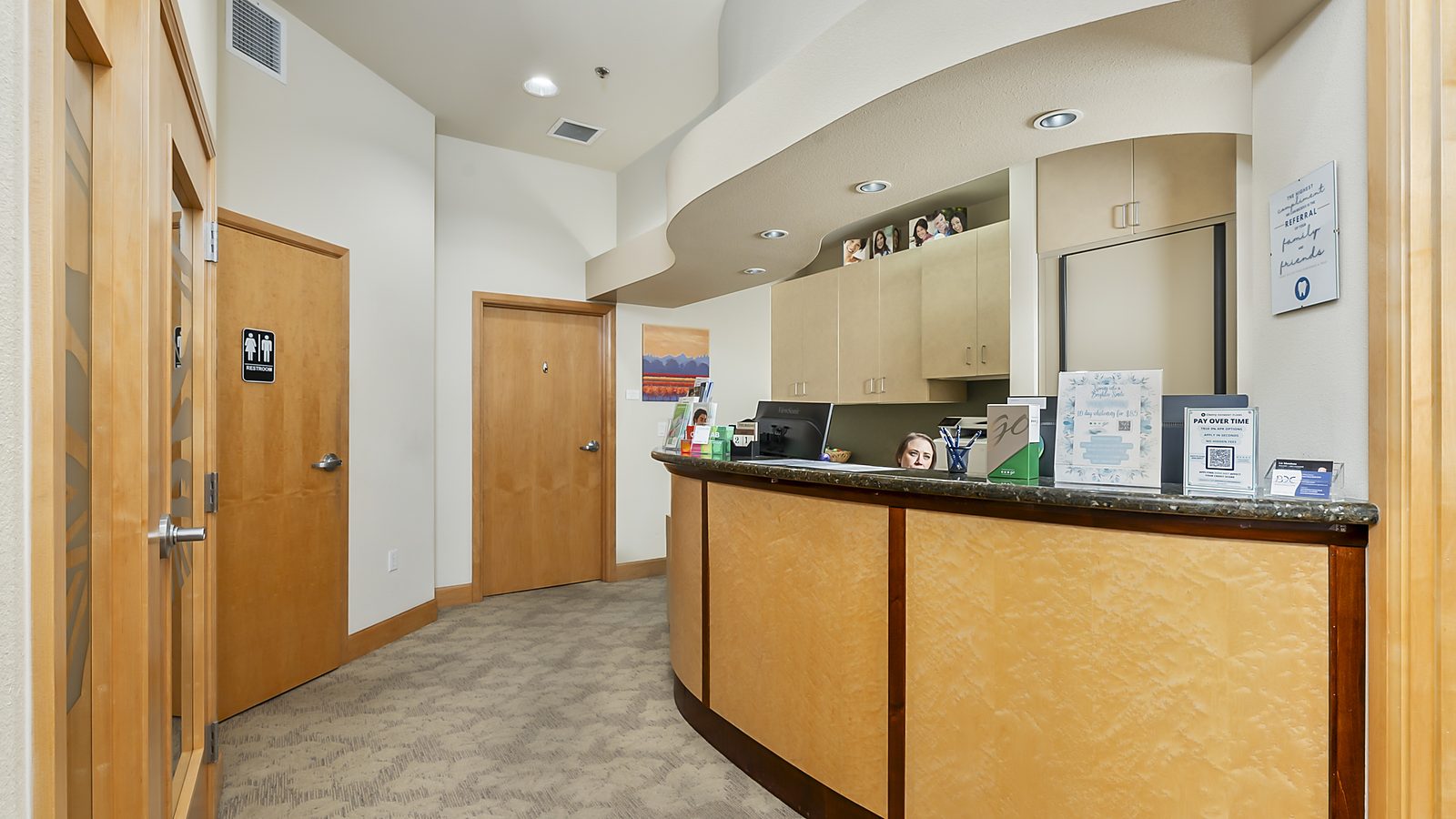
Dr. Bonin's office atmosphere is calm and restorative, which itself can reduce stress and jaw tension during appointments.
Clinical Depth
How Dr. Bonin approaches TMJ Treatment
TMJ assessment includes palpation of the joints, muscle examination, and functional movements (opening, closing, lateral movements). We note any deviation, clicking, or pain. We ask about headaches, ear symptoms, and sleep disruption. Imaging (X-ray or MRI) helps visualize the joint and disc position if indicated. Conservative treatment begins with a custom-fabricated night guard, which is fitted to your bite and adjusted for comfort. Physical therapy focusing on jaw relaxation and stretching is often prescribed. We discuss stress reduction, postural awareness, and habit modification (no chewy foods, no unilateral chewing). Muscle relaxants or NSAIDs may be prescribed short-term. If these measures don't improve symptoms within 8 to 12 weeks, we reassess and consider other interventions.
Why This Matters Locally
Fit for Oakmont lifestyle
Quality sleep is essential to health and wellbeing, especially for Oakmont residents focused on active aging. Bruxism and TMJ pain disrupt sleep and daytime function. A custom night guard restores restful sleep and removes a barrier to enjoying your day. It's a small investment with major quality-of-life returns.
About This Service
TMJ Treatment
Your jaw joint works harder than you think. It opens and closes thousands of times a day, handles the stress of chewing, and reacts to tension in your neck, shoulders, and face. When the joint or surrounding muscles get out of balance, the results show up as clicking, popping, pain while eating, or that locked feeling first thing in the morning. Temporomandibular joint disorder (TMJ) isn't always about one single cause. We often see a mix: nighttime grinding or clenching (bruxism), uneven bite pressure, forward head posture from desk work, or stress-related muscle tension. The joint itself may have inflammation, and the muscles around it go into protective spasm. Left unaddressed, these patterns reinforce each other, and what started as occasional discomfort becomes something that affects how you eat, speak, and sleep. At Bonin Dental Care, we start with a thorough evaluation. Dr. Bonin listens to what you're experiencing, examines your bite alignment and jaw movement, and takes imaging if needed to see what's actually happening inside the joint. From there, we build a treatment plan that targets your specific situation, whether that's a custom occlusal splint to wear at night, specific jaw exercises, or lifestyle adjustments. Our goal isn't just to manage symptoms, but to help you get back to function.
Common Questions
TMJ Treatment in Oakmont: FAQ
Why do I have headaches when my dentist says it's TMJ?
What's the clicking or popping sound in my jaw when I open my mouth?
Will a night guard fix my TMJ problems?
Is jaw surgery necessary for TMJ disorders?
Can TMJ problems cause ear pain or tinnitus?
Have a question we did not cover? Reach out to our team.
Keep Exploring
Related pages for Oakmont and TMJ Treatment
More services for Oakmont patients
Written specifically for your community, not a general page.
- Dental Implant Restoration (Surgical Care Coordinated with Specialists) for Oakmont
- Full-Arch Dental Implants (All-on-4 / All-on-X, Coordinated with Specialists) for Oakmont
- Invisalign Clear Aligners for Oakmont
- Porcelain Veneers for Oakmont
- Cosmetic Dentistry & Smile Design for Oakmont
- Emergency Dentistry for Oakmont
- Sedation & Anxiety Dentistry for Oakmont
- Tooth-Colored Fillings for Oakmont
TMJ Treatment in other nearby areas
Recommend us to friends or family in these Sonoma County communities.
- TMJ Treatment for Healdsburg
- TMJ Treatment for Santa Rosa
- TMJ Treatment for Rohnert Park
- TMJ Treatment for Sebastopol
- TMJ Treatment for Cloverdale
- TMJ Treatment for Larkfield-Wikiup
- TMJ Treatment for Mark West Springs
- TMJ Treatment for Fulton
Find Us
Visit Our Windsor Office
Office Hours
- Mon
- 8 AM to 5 PM
- Tue
- 8 AM to 5 PM
- Wed
- 8 AM to 5 PM
- Thu Today
- 8 AM to 5 PM
- Fri
- Closed
- Sat
- Closed
- Sun
- Closed