Patient Education
Sedation & AnxietyOral Sedation Dentistry: What to Expect Before, During, and After
Oral sedation uses prescription medication to create deep relaxation. Learn preparation requirements, safety monitoring, and recovery expectations.
- Sedation Dentistry
- Patient Comfort
- Patient Guide
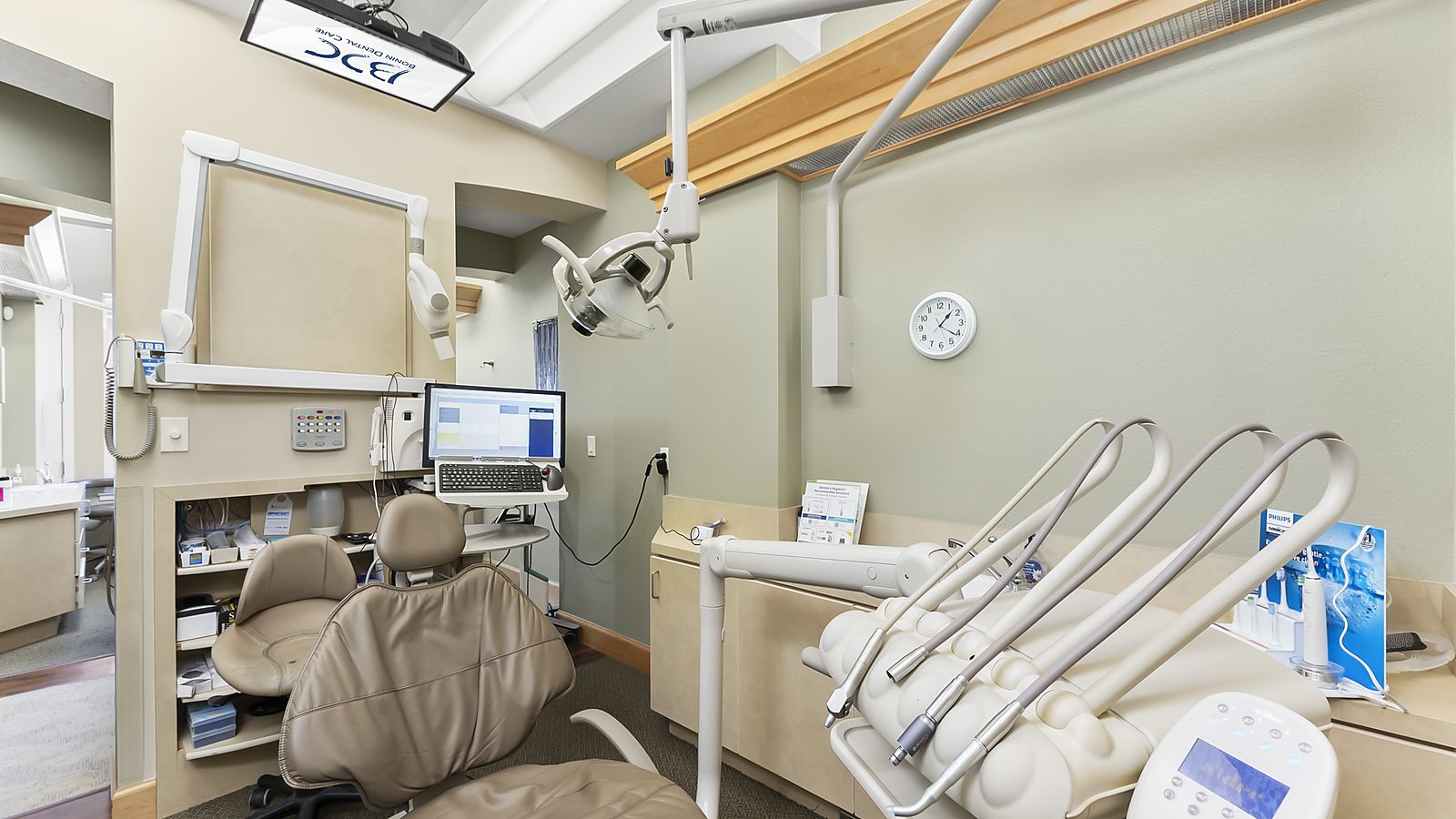
Oral sedation dentistry is a safe and effective option for patients with significant dental anxiety or those undergoing extensive dental work. Unlike nitrous oxide, which you inhale through a mask, oral sedation uses a prescription medication that you take by mouth before your appointment. This medication creates a deeper level of relaxation and anxiety relief, allowing Dr. Bonin to complete necessary treatment while you remain comfortable and calm.
If you are considering oral sedation, understanding what happens before, during, and after your appointment will help you prepare and know what to expect.
Before Your Appointment
Schedule your oral sedation appointment well in advance, giving Dr. Bonin time to review your medical history, current medications, and any allergies. This information is essential for safe sedation. You will also have a consultation visit before your treatment appointment, during which Dr. Bonin will discuss your anxiety, explain how oral sedation works, and answer any questions.
The night before your appointment, eat a normal dinner, but do not eat or drink anything after midnight. This fasting requirement is important for safety, as it reduces the risk of nausea and aspiration during sedation.
On the day of your appointment, have someone available to drive you home. You cannot drive after oral sedation, as the medication will impair your judgment and coordination. Arrange for transportation before your appointment day.
Wear comfortable, loose-fitting clothing. Avoid anything restrictive around your neck or arms, as we will need to monitor your vital signs, and loose clothing is more comfortable for you.
Dr. Bonin will give you specific instructions for any medications you take regularly. Some medications should be taken with a small amount of water before your appointment. Others may need to be withheld. Follow Dr. Bonin’s instructions carefully.
Arriving for Your Appointment
Plan to arrive about 15 minutes early. We will review paperwork and answer any final questions. You will change into a comfortable position in the treatment room. We will place a pulse oximeter on your finger to monitor your oxygen levels during the procedure. We will also place a blood pressure cuff to monitor your blood pressure periodically.
Dr. Bonin will give you the sedative medication by mouth, usually a tablet or sometimes a liquid. The medication typically begins to work within 15 to 30 minutes. You will feel increasingly relaxed and drowsy. Your concerns and anxiety will fade. You may feel a heavy sensation in your limbs. Some people feel a tingling or floating sensation.
During Your Treatment
As the sedation takes effect, you will become drowsy. Unlike general anesthesia, you remain conscious and able to follow simple instructions. Dr. Bonin can ask you to open or close your mouth, and you will respond, though your responses may be slow or slurred.
You may not remember much of the procedure, or you may have hazy memories of it happening. This is normal and expected. Many patients describe feeling as though the procedure took just a few minutes, when in reality it may have taken an hour or more. This time distortion is part of how oral sedation works.
Dr. Bonin will monitor you continuously during the procedure. He will check your vital signs, ensure you are comfortable, and adjust the level of sedation if needed. He will perform the dental treatment he provides in our office, whether that involves fillings, crowns, a simple extraction, or other restorative work. The sedation allows him to work efficiently while you are calm and comfortable.
If your treatment plan also includes care Dr. Bonin refers out, such as root canal therapy or a surgical extraction, the specialist handling that work manages sedation for it. Dr. Bonin coordinates the sequence so you are comfortable at every step and your care stays connected.
You will not feel pain during your treatment. Dr. Bonin will still use local anesthesia to numb the specific areas being treated, but the oral sedation reduces your anxiety about the injection and your overall pain perception, making the experience much more comfortable than it would be with anxiety.
Recovery and Going Home
As your procedure nears completion, Dr. Bonin will allow the sedation to wear off. The medication is metabolized by your body naturally, and as more time passes without additional medication, you will gradually become more alert. However, you will not be fully awake and ready to leave immediately after the procedure ends.
Your mouth will be numb from the local anesthetic, which will wear off in a few hours. You may feel drowsy or groggy for an hour or two after leaving the office. You should not drive, operate machinery, make important decisions, or sign legal documents for at least 24 hours after your appointment.
Your designated driver should take you home. Once home, rest. You may nap if you are drowsy. Eat light, soft foods and drink plenty of fluids. Avoid alcohol for at least 24 hours, as it can interact with any remaining traces of the sedative medication.
Recovery at Home
Most people feel significantly better within a few hours. Many patients sleep after their appointment and wake feeling much improved. Some drowsiness or mild grogginess may persist for the rest of the day, but this is normal.
Follow any post-operative instructions Dr. Bonin provides regarding your dental treatment. If you had an extraction, follow post-extraction care instructions. If you had fillings, crowns, or other restorations, follow care guidelines for those as well, including avoiding chewing on that side until any numbness fully wears off.
Contact Dr. Bonin if you experience any unusual symptoms, such as severe bleeding, excessive swelling, fever, or any symptoms that concern you.
Is Oral Sedation Right for You
Oral sedation is a good option if you have moderate to severe dental anxiety, if you are undergoing extensive treatment that would be difficult to tolerate while anxious, or if previous attempts at anxiety management have not been successful for you. It allows you to receive necessary care while remaining comfortable.
Oral sedation is not appropriate for everyone. If you have certain medical conditions, sleep apnea, severe obesity, or take certain medications, oral sedation may not be safe for you. Dr. Bonin will review your medical history to determine whether oral sedation is appropriate and safe for your situation.
For some patients, nitrous oxide or other comfort measures may be sufficient. For others, oral sedation is the right choice. Dr. Bonin will discuss your options and help you decide.
Why Choose Bonin Dental Care for Sedation
Dr. Bonin has extensive experience with oral sedation dentistry. He carefully monitors all patients under sedation, maintains strict safety protocols, and is prepared to manage any complications. Your safety and comfort are his priorities.
If you have dental anxiety or are facing extensive dental treatment that you have been dreading, oral sedation may be the solution that allows you to move forward with your care. Contact Bonin Dental Care to schedule a consultation and discuss whether oral sedation is right for you.
Written by
Dr. Scott Bonin, DDSGeneral and cosmetic dentist at Bonin Dental Care in Windsor, California. USC School of Dentistry graduate, Navy veteran, and member of the American Dental Association, California Dental Association, and American Academy of Cosmetic Dentistry. Over 24 years of clinical experience serving Sonoma County families.
View full credentialsClinical note: This article is for educational purposes and does not replace a professional examination. Every patient's situation is unique. If you have questions about your specific dental health, please schedule an appointment or call (707) 838-1400.
Related Services
Explore the treatments behind this topic
Ready to talk with Dr. Bonin about what you just read? Here are the procedures at Bonin Dental Care most closely connected to this article. Each page explains how we do the work, what to expect, and how to get started.
Ready to book your visit with Dr. Bonin?
New patients welcome. Call (707) 838-1400 or request an appointment online.
Keep Reading
More from our library
-
Understanding the Different Levels of Dental Sedation
Minimal, moderate, deep, and general anesthesia each serve different needs. Learn the sedation continuum and how your dentist selects the right level.
-
Dental Anxiety Is Common. Here's How We Handle It at Bonin Dental Care.
Dental anxiety affects millions. Learn signs, sedation options, behavioral techniques, and how Dr. Bonin rebuilds trust with anxious patients.
-
Sedation Dentistry Explained: Nitrous vs Oral Sedation vs IV
Learn about nitrous oxide, oral sedation, and IV sedation for dental anxiety. Understand safety, cost, and which option is right for you.