Patient Education
OrthodonticsAdult Orthodontics: It's Never Too Late to Straighten Your Teeth
More adults are getting orthodontic treatment than ever before. Learn about discreet options, realistic timelines, and what makes adult cases different.
- Orthodontics
- Invisalign
- Cosmetic Dentistry
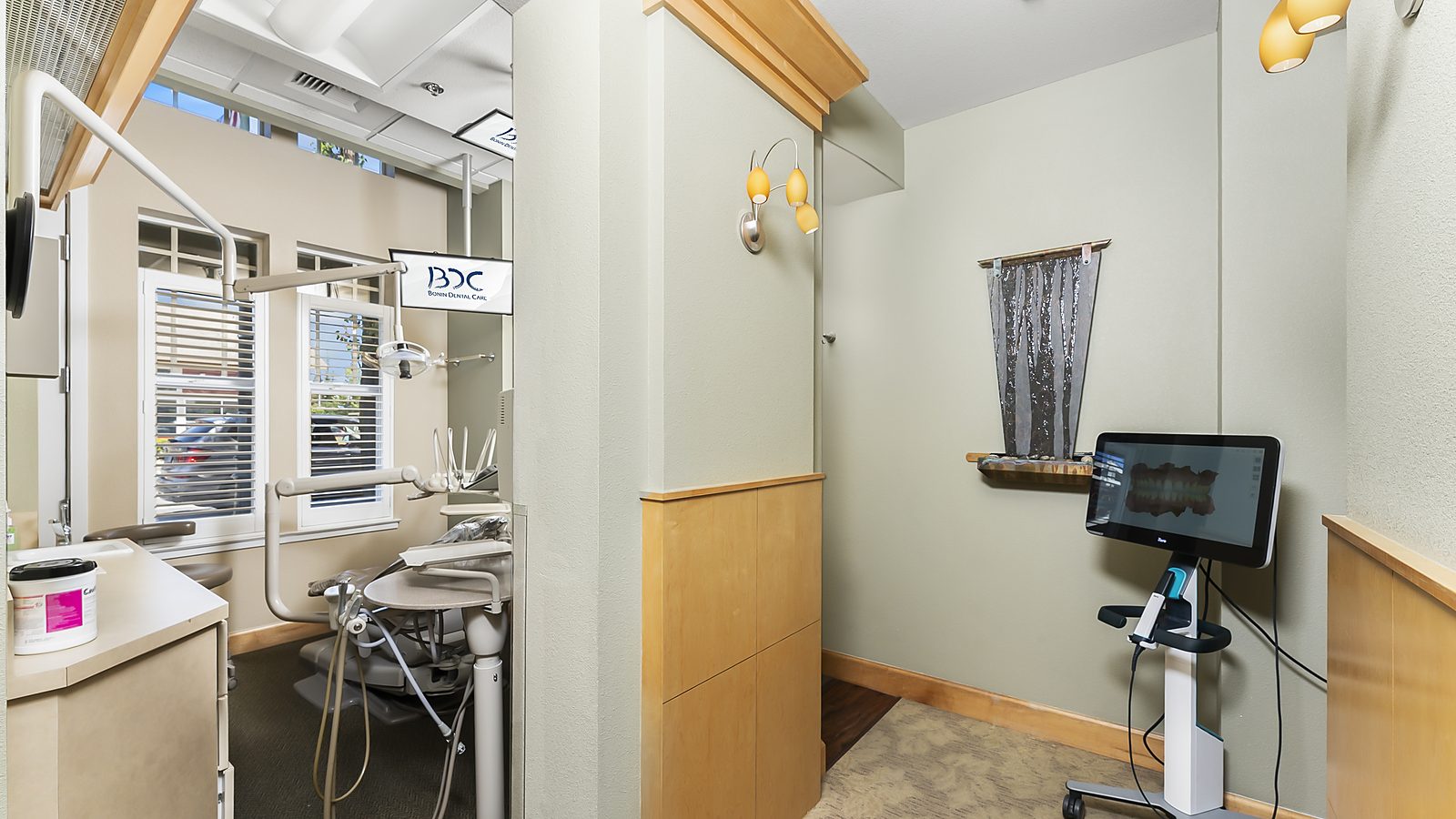
The idea that orthodontics is just for teenagers is outdated. Adults represent one of the fastest-growing segments of orthodontic patients, and for good reason. Whether you’ve always wanted to straighten your teeth or are dealing with shifting that happened years ago, you’re never too old to pursue the smile you want. At Bonin Dental Care, we understand that adult patients have unique concerns: visibility at work, busy schedules, and budget considerations. Let’s look at why adult orthodontics has become so popular and what your realistic options look like.
Why Adults Are Choosing Orthodontics Now More Than Ever
Adults seek orthodontic treatment for several compelling reasons. Some never had access to braces as children. Others completed childhood treatment but their teeth have shifted over decades due to natural jaw growth or tooth loss. Many are simply at a life stage where they can finally prioritize their oral health and appearance.
The stigma around visible braces has also diminished significantly. More importantly, discreet treatment options now exist that were unavailable just a decade ago. Whether you’re looking at clear aligners or tooth-colored braces, you no longer have to choose between straightening your teeth and maintaining your professional appearance during treatment.
Invisalign and Clear Aligners: The Game-Changer for Adults
For many adult patients, Invisalign has changed the equation entirely. Clear aligners are removable, nearly invisible, and allow you to maintain your eating habits and oral hygiene routine without the restrictions that come with traditional braces.
The aligners are custom-made from medical-grade plastic and gradually shift your teeth into place over months. Most adults appreciate that they can remove the aligners for important meetings, photos, or special events, though for best results they should remain in your mouth 20 to 22 hours per day.
One common misconception is that clear aligners can’t handle complex bite problems. While this was partially true years ago, modern aligner technology is sophisticated enough to address most orthodontic issues that adults face. Dr. Bonin can evaluate your specific situation and recommend whether aligners are appropriate for your case.
Traditional Braces for Adults: Still a Strong Option
Metal braces haven’t disappeared; they’ve simply become less common for adults. But they remain highly effective, especially for severe bite correction or complex tooth movements. Some adults actually prefer braces because they’re fixed (no compliance risk if you forget to wear them), they often produce results slightly faster, and they’re typically less expensive than aligners.
Modern brackets are also smaller and less intrusive than older generations of braces. Tooth-colored or ceramic brackets offer a more discreet appearance while maintaining the strength and effectiveness of traditional appliances. Dr. Bonin is a general dentist and a certified Invisalign provider, so he does not place braces himself. If your bite is better served by fixed braces, he tells you that during your consultation and refers you to a board-certified orthodontist he works with in Sonoma County. You get an honest read on your case instead of being pushed toward the one treatment the office happens to sell.
Treatment Timeline: What Adult Patients Should Expect
Adult teeth move more slowly than children’s teeth because the jaw is fully grown and bone density is higher. This means treatment typically takes longer. Most adults can expect anywhere from 18 to 36 months depending on the complexity of their case and the treatment method chosen.
The good news is that longer treatment doesn’t mean the outcome will be any less impressive. Adults also tend to be more compliant with their orthodontist’s instructions, which can actually speed results. At Bonin Dental Care, we’ve seen outstanding results in patients across all age groups.
Bone Health and Adult Orthodontics
A valid concern for older adults is whether moving teeth at age 50, 60, or beyond is safe. The answer is yes, with appropriate planning. Your bones continue to remodel throughout life, and teeth can shift safely in mature bone. However, certain conditions like severe gum disease or significant bone loss may require additional treatment or modification of your orthodontic plan.
This is where a thorough evaluation matters. Dr. Bonin will assess your overall oral health, gum condition, and bone levels before recommending treatment. If periodontal issues exist, they’ll need to be addressed first to ensure the best outcome and long-term stability.
The Hidden Benefits Beyond Appearance
Straighter teeth aren’t just cosmetically appealing; they offer functional advantages. Proper alignment reduces uneven wear on tooth surfaces, decreases your risk of cavities (since overlapping teeth are harder to clean), and can improve your bite, reducing strain on your jaw and muscles. Some adults also find that correcting their bite reduces TMJ symptoms.
For some patients, straighter teeth also translate to improved sleep and breathing, though this depends on the specific nature of the misalignment.
Cost and Insurance Considerations
While orthodontics represents an investment, many insurance plans provide some coverage for adult treatment. Flexible payment plans are also typically available. The lifetime benefits of a properly aligned bite, improved oral health, and the confidence that comes with a straight smile often justify the expense.
Maintenance: The Retainer Reality
One thing adult patients need to understand before starting treatment is that retainers are permanent. After your braces or aligners come off, you’ll need to wear retainers nightly for the rest of your life to prevent your teeth from shifting back. This is especially important for adults, whose teeth can migrate more noticeably over time.
At Bonin Dental Care, we emphasize this point upfront so there are no surprises. Retainers aren’t just a short-term commitment; they’re part of maintaining your investment long-term.
Taking the First Step
The process begins with a consultation where Dr. Bonin will examine your teeth and bite, discuss your goals, and recommend the best treatment approach for your situation. That one appointment answers two questions: which treatment you need, and who should provide it. If Invisalign will get you there, he treats you here in Windsor. If your case needs braces or specialty orthodontic care, he refers you to a trusted board-certified orthodontist, sends your records and imaging, stays in communication through your treatment, and remains your dental home for cleanings, restorations, retainers, and any cosmetic finishing afterward. Many adults find that simply knowing their options and understanding what’s possible gives them the confidence to move forward.
If you’ve been considering orthodontics but assumed you were too old, we’d like to change your mind. Straight teeth are achievable at any age, and the benefits extend well beyond appearance. Contact Bonin Dental Care to schedule a consultation with Dr. Bonin and find out which path fits your case.
Written by
Dr. Scott Bonin, DDSGeneral and cosmetic dentist at Bonin Dental Care in Windsor, California. USC School of Dentistry graduate, Navy veteran, and member of the American Dental Association, California Dental Association, and American Academy of Cosmetic Dentistry. Over 24 years of clinical experience serving Sonoma County families.
View full credentialsClinical note: This article is for educational purposes and does not replace a professional examination. Every patient's situation is unique. If you have questions about your specific dental health, please schedule an appointment or call (707) 838-1400.
Related Services
Explore the treatments behind this topic
Ready to talk with Dr. Bonin about what you just read? Here are the procedures at Bonin Dental Care most closely connected to this article. Each page explains how we do the work, what to expect, and how to get started.
-
Cosmetic
Invisalign Clear Aligners
Nearly invisible clear aligners that straighten your teeth without metal brackets or wires. Discreet, comfortable, and proven.
Learn about this service -
Cosmetic
Cosmetic Dentistry & Smile Design
Personalized Smile Design combining porcelain veneers, Zoom in-office whitening, Invisalign, bonding, and custom crowns into one coordinated, high-end cosmetic result.
Learn about this service -
Cosmetic
Orthodontic Care (Invisalign In-Office, Braces with Trusted Orthodontists)
Dr. Bonin provides Invisalign clear aligner treatment in our Windsor office and coordinates with trusted orthodontists in Sonoma County for cases that need traditional braces or complex bite correction.
Learn about this service
Ready to book your visit with Dr. Bonin?
New patients welcome. Call (707) 838-1400 or request an appointment online.
Keep Reading
More from our library
-
How Long Does Invisalign Really Take? A Realistic Timeline
Typical Invisalign treatment takes 6 to 18 months depending on complexity. Learn about refinement phases, retainers, and Dr. Bonin's Silver Provider status.
-
Can Invisalign Fix an Overbite or Underbite?
Invisalign can correct many bite issues, but severe skeletal discrepancies may still need braces or surgery. Learn the clinical boundaries.
-
Why Retainers Matter After Orthodontic Treatment
Teeth naturally drift after braces or aligners come off. Learn why retainer compliance is the single biggest factor in maintaining your results.