Patient Education
Technology & InnovationAI in Dentistry: How Artificial Intelligence Assists Diagnosis
AI algorithms analyze X-rays to detect cavities, bone loss, and pathology that human eyes might miss. Learn where AI is being used and its current limitations.
- Technology & Innovation
- Preventive Care
- Dental Tips
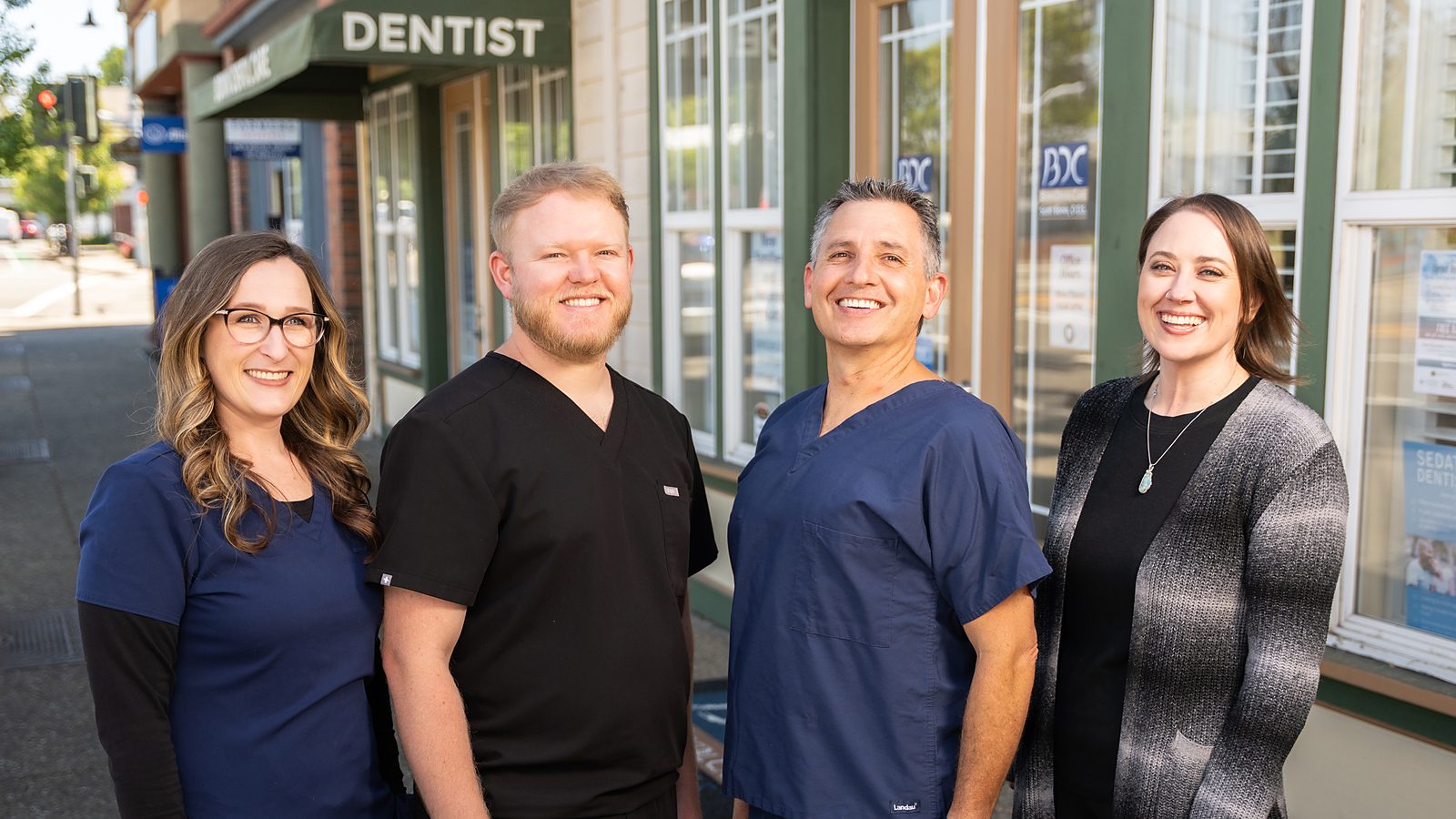
Artificial intelligence is transforming healthcare, and dentistry is no exception. AI algorithms trained on thousands of dental images can now analyze X-rays, identify early cavities, detect bone loss, and flag areas suspicious for pathology. This technology isn’t replacing dentists; rather, it’s augmenting Dr. Bonin’s diagnostic abilities, helping catch problems earlier and more reliably. Understanding how AI works in dentistry, where it adds value, and what limitations remain helps you appreciate this emerging technology.
How AI Detects Dental Problems
AI algorithms work by pattern recognition. They’re trained on large databases of X-rays where human experts have already identified cavities, bone loss, and other findings. The algorithm learns to recognize the visual patterns associated with these findings. When analyzing a new X-ray, the AI scans for these patterns and flags areas that match patterns associated with disease.
AI is particularly good at detecting subtle early-stage problems. While experienced dentists typically catch cavities and obvious pathology, AI can identify very early decay that might be missed on first look. Bone loss patterns and periodontal disease changes are computationally easier to identify because they follow mathematical patterns the AI can learn.
The AI doesn’t replace the dentist’s judgment. Instead, it flags suspicious areas and highlights findings. Dr. Bonin reviews the AI’s suggestions, uses his clinical expertise to interpret findings, and makes diagnostic decisions. The AI is an assistive tool, not the decision-maker.
Cavity Detection with AI
Early cavity detection is one of AI’s strengths. An AI system trained on thousands of cavity images can identify early decay at levels visible on X-rays but sometimes missed by human observation, especially in areas between teeth or hidden by crowns.
Advantage: Identifying early cavities allows intervention before they’re large. Early fillings are simpler and less expensive than waiting until cavities grow and require crowns. Early detection potentially saves you money and preserves more tooth structure.
Limitation: Like all screening tools, AI cavity detection sometimes generates false positives (flagging areas as cavitated when they’re actually sound) or false negatives (missing actual cavities). The accuracy depends on AI algorithm quality and training data. When AI flags potential cavities, Dr. Bonin visually examines the area and sometimes uses additional imaging before treatment.
Bone Loss and Periodontal Disease
Periodontal disease involves progressive bone loss around teeth. The amount of bone supporting teeth is critical; as bone erodes, teeth eventually become loose. AI can measure and track bone loss quantitatively over time. Comparing X-rays from different years, AI calculates bone loss rate and can alert Dr. Bonin to accelerating disease.
Advantage: Objective quantification of bone loss takes guesswork out of disease assessment. Early detection of accelerating bone loss allows intervention before teeth are compromised. Patients can see concrete measurements of whether their gum disease management is working.
Limitation: Bone loss assessment depends on X-ray quality and angles. Different X-ray angles can appear to show different bone levels. AI must be trained to account for this variation. Also, not all bone loss is visible on standard X-rays. CBCT scans show bone loss more accurately, but they’re not taken on every patient.
Pathology Detection
Dental pathology beyond cavities and bone loss includes cysts, tumors, infections, and other abnormalities. AI trained on pathology images can flag suspicious lesions on X-rays. While most dental findings are benign, early detection of serious pathology can be lifesaving.
Advantage: Consistent application of pathology screening. Some serious conditions are rare, and dentists might not think to look for them. AI systems don’t get complacent and apply the same scrutiny to every X-ray. Early pathology detection has clear health benefits.
Limitation: AI pathology detection can generate false alarms. A shadow that might be pathology could also be anatomical variant or artifact. When AI flags potential pathology, additional imaging (CBCT) or consultation with specialists might be needed. This additional workup is sometimes unnecessary because the finding was benign.
AI and Treatment Planning
Beyond diagnosis, AI is increasingly used in treatment planning. For implant cases, AI can analyze bone anatomy and suggest optimal implant positioning. For complex crowns or bridges, AI can recommend materials and designs based on analysis of similar successful cases.
This application is still evolving. While AI can recognize patterns in successful versus unsuccessful restorations, it can’t yet replace the nuanced clinical judgment a skilled dentist brings to complex cases. AI is most useful as a consultant, suggesting options that Dr. Bonin then evaluates and modifies based on your specific situation.
Limitations of Current Dental AI
AI works with specific types of data it was trained on. An algorithm trained on detecting decay might not be useful for identifying bone loss. An algorithm trained on certain X-ray equipment might perform differently on other equipment. This specificity means different AI tools are useful for different tasks.
AI is also only as good as its training data. If training data is biased or limited, the AI learns those biases. For example, if training data primarily included teeth from one demographic, the AI might perform poorly on different populations. Dentistry is working to ensure AI systems are trained on diverse datasets.
Privacy is another consideration. AI training requires large databases of de-identified patient X-rays and data. While de-identification protects privacy, the concept of contributing your X-rays to AI training might make some patients uncomfortable. This is why informed consent about AI use matters.
AI can’t yet handle all dental diagnostic challenges. Complex cases requiring nuanced judgment, integration of multiple data sources, or unusual presentations still require human expertise. AI supplements human expertise rather than replacing it.
AI at Bonin Dental Care
Dr. Bonin uses AI-assisted diagnostic tools when appropriate. For routine X-ray analysis, AI can flag potential issues, acting as a quality control mechanism. For implant cases, AI can map your bone anatomy, which helps Dr. Bonin and the oral surgeon who places the implant plan the case together before treatment begins. Dr. Bonin then handles the restorative side, including the final crown.
AI doesn’t change Dr. Bonin’s fundamental commitment to careful diagnosis and evidence-based treatment. It’s a tool that enhances his ability to detect problems early and plan treatment optimally. You still receive the benefit of his clinical expertise and judgment; the AI simply augments those abilities.
The Future of Dental AI
Artificial intelligence in dentistry will continue advancing. Future AI might predict treatment longevity based on analysis of similar cases. AI might help predict which patients are at highest risk for specific conditions, allowing proactive prevention. AI might even assist in real-time surgical guidance during complex procedures.
As AI capabilities advance, the boundary between AI analysis and human judgment will shift. Some tasks currently requiring human interpretation might become fully automated. Other applications we can’t yet imagine will emerge. Throughout, the dentist’s role remains essential; AI is a tool that extends human capability, not a replacement for it.
Making Informed Decisions
If AI is used in analyzing your X-rays or planning your treatment, Dr. Bonin will discuss it with you. You’ll understand what the AI is being used for, what its purpose is, and how it informs his recommendations. Like all tools, AI is valuable when appropriately applied and potentially problematic when misused.
The goal is combining AI’s pattern recognition power with human clinical judgment to provide you the best care possible. At Bonin Dental Care, we’re committed to using technology thoughtfully, always in service of your health and wellbeing. Schedule a consultation to discuss your dental needs and how modern diagnostic tools enhance your care.
Written by
Dr. Scott Bonin, DDSGeneral and cosmetic dentist at Bonin Dental Care in Windsor, California. USC School of Dentistry graduate, Navy veteran, and member of the American Dental Association, California Dental Association, and American Academy of Cosmetic Dentistry. Over 24 years of clinical experience serving Sonoma County families.
View full credentialsClinical note: This article is for educational purposes and does not replace a professional examination. Every patient's situation is unique. If you have questions about your specific dental health, please schedule an appointment or call (707) 838-1400.
Common Questions
Frequently asked questions
- Can AI replace my dentist?
- No. AI assists with detection and pattern recognition, but clinical judgment, treatment planning, and patient communication require a trained dentist. AI is a diagnostic tool, not a replacement for professional care.
- How accurate is AI at detecting cavities on X-rays?
- Studies show AI algorithms can match or exceed human detection rates for certain types of cavities, particularly early interproximal decay. However, AI works best as a second set of eyes alongside an experienced dentist.
- Is my dental data safe when AI is used?
- Reputable AI dental platforms comply with HIPAA regulations. Your X-rays and dental records are processed with the same privacy protections as any other health information.
Related Services
Explore the treatments behind this topic
Ready to talk with Dr. Bonin about what you just read? Here are the procedures at Bonin Dental Care most closely connected to this article. Each page explains how we do the work, what to expect, and how to get started.
-
General & Preventive
Dental Cleanings
Professional cleanings remove tartar and buildup that home care cannot reach, preventing decay and gum disease.
Learn about this service -
General & Preventive
General Dentistry
Comprehensive exams, professional assessments, and preventive strategies designed to catch problems early and keep your smile healthy.
Learn about this service -
General & Preventive
Oral Cancer Screening
Thorough visual and tactile screening for oral cancer, including advanced technology and biopsy referral if needed.
Learn about this service
Ready to book your visit with Dr. Bonin?
New patients welcome. Call (707) 838-1400 or request an appointment online.
Keep Reading
More from our library
-
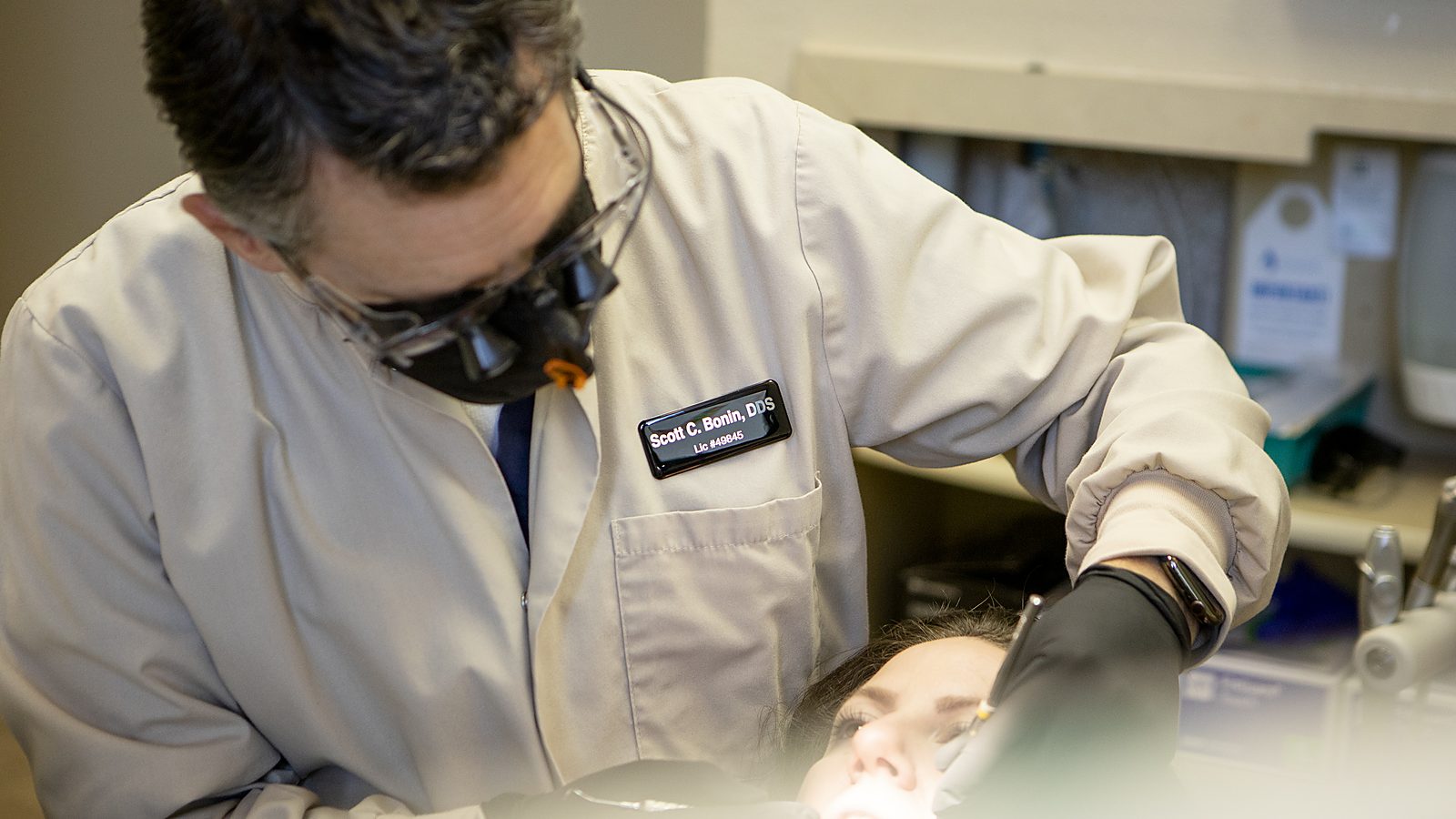
Electronic Health Records in Dentistry: How They Improve Your Care
Digital records enable better coordination, faster referrals, and comprehensive treatment histories. Learn how EHR systems benefit patients directly.
-
How Modern Dental Materials Have Changed in the Last Decade
Zirconia, lithium disilicate, bioactive cements, and nano-composites have transformed durability and aesthetics. A look at what is different and why it matters.
-
Teledentistry: When a Virtual Visit Makes Sense
Virtual consultations work for follow-ups, second opinions, and triage. Learn what teledentistry can and cannot evaluate remotely.