Patient Education
Technology & InnovationElectronic Health Records in Dentistry: How They Improve Your Care
Digital records enable better coordination, faster referrals, and comprehensive treatment histories. Learn how EHR systems benefit patients directly.
- Technology & Innovation
- Patient Guide
- Dental Tips
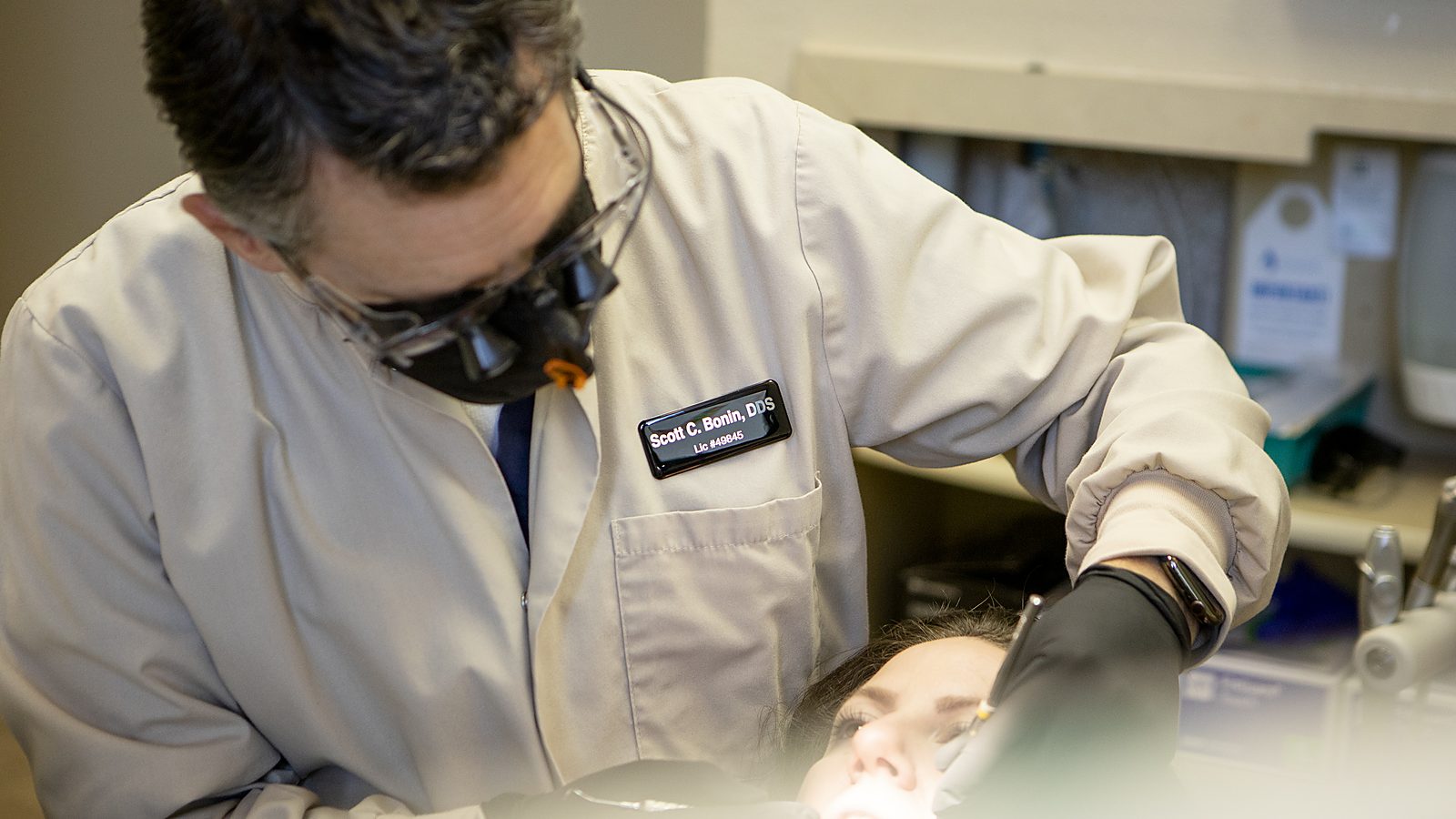
Electronic health records (EHRs) might seem like a backend administrative tool that has nothing to do with your actual dental care. In reality, EHR systems have direct clinical benefits that improve how Dr. Bonin treats you. Digital records provide comprehensive treatment history at a glance, enable precise recall coordination, support communication with other providers, and allow rapid access to past imaging and treatment details. Understanding how EHRs improve your care helps you appreciate this foundational technology.
What Are Dental Electronic Health Records?
Electronic health records are digital repositories containing all information about your dental health. Your treatment history, X-rays, clinical notes, photographs, medications, allergies, insurance information, and past treatments are all stored digitally rather than in paper files.
Modern dental EHR systems are integrated platforms where Dr. Bonin can access all your information with a few clicks. During your appointment, he reviews your history, pulls up past X-rays for comparison, reads clinical notes about past treatments, and has complete context about your dental health.
This integration of information systems revolutionizes clinical workflow and decision-making compared to traditional paper-based records.
Comprehensive Treatment History
With an EHR, Dr. Bonin has instant access to everything done on your teeth previously. When you mention a crown from years ago, he can pull up the exact date it was placed, materials used, tooth number, and notes from that appointment. When comparing current X-rays to old ones, he can retrieve five-year-old or older imaging instantly for side-by-side comparison.
This comprehensive history prevents duplicate work and allows trend analysis. If a tooth has been filled multiple times, the history shows when each filling was placed. This information helps Dr. Bonin make decisions about whether a tooth should be reinforced with a crown or if another filling will suffice.
For gum disease monitoring, comparing digital measurements and notes from past visits shows whether disease is stable, improving, or progressing. This longitudinal data helps Dr. Bonin determine if current management is working or if treatment needs adjustment.
Efficient Recall System
Dental EHRs automate recall (reminder) systems. Based on your treatment history, the system automatically generates recalls when you’re due for cleaning, check-ups, or periodic evaluations. You receive reminders automatically via email or text, ensuring you don’t miss important preventive appointments.
This automation improves compliance with preventive care recommendations. Patients who receive regular reminders are more likely to attend twice-yearly cleanings, which leads to better oral health and earlier detection of problems.
The efficiency also benefits the practice. Rather than manually tracking who’s due for recall, the EHR manages the process automatically. This reduces administrative burden and ensures no one is forgotten.
Referral Coordination
When you need specialist referral (to an orthodontist, periodontist, implant surgeon, or other specialist), the EHR facilitates communication. Rather than providing you with a paper referral to give to the specialist, Dr. Bonin can send your complete record electronically to the specialist’s office.
This electronic referral includes your treatment history, X-rays, photographs, and clinical notes. The specialist has complete context before you even arrive for your appointment. They can prepare more effectively and treatment coordination is seamless.
When specialists send back their findings, those reports integrate into your EHR. Dr. Bonin sees the specialist’s recommendations and can incorporate them into treatment planning. Better coordination between providers leads to better overall care.
Imaging Comparison and Analysis
X-rays and other imaging are stored digitally in the EHR. Dr. Bonin can instantly pull up previous imaging for comparison with current images. This is invaluable for monitoring gum disease (comparing bone levels over years), evaluating implant integration, or assessing whether treatment was successful.
Digital imaging also allows measurement and analysis. Dr. Bonin can measure bone loss quantitatively, compare measurements over time, and make objective assessments of disease progression or treatment success. This data-driven approach is more accurate than subjective visual assessment alone.
Digital storage means imaging is never lost. Years of X-rays are preserved and accessible. If you change providers, your new dentist can request your imaging from your previous provider electronically, maintaining continuity even with provider changes.
Medication and Allergy Management
Your EHR maintains a complete medication list and allergy documentation. This is particularly important if you’re taking medications that affect dental treatment. Blood thinners change how Dr. Bonin approaches extractions. Bisphosphonates (bone strengthening medications) are relevant to implant treatment. Diabetes affects healing.
With your complete medication list in the EHR, Dr. Bonin considers these factors when planning treatment. He coordinates with your physician if treatment modifications are needed based on your medications. Allergy documentation ensures you don’t receive anesthetics or antibiotics you’re allergic to.
This integrated information prevents medication interactions and adverse events. Your dental treatment is planned with full awareness of your complete medical picture.
Treatment Planning Efficiency
When complex treatment is planned, Dr. Bonin references past treatment records, X-rays, and notes. This comprehensive review allows thoughtful treatment planning. He considers tooth history, past successes and failures, and your preferences documented from past visits.
Treatment plans incorporate all relevant information, leading to better decisions. A tooth that has failed treatments previously might warrant extraction rather than retreatment. A tooth with marginal prognosis might be monitored rather than treated. These decisions are based on complete information rather than incomplete recollection.
Patient Communication
EHRs improve communication with patients. Dr. Bonin can share digital treatment plans, images, and information directly. Rather than explaining findings verbally, he can show X-rays and point to specific areas of concern.
Many EHR systems have patient portals where you can access your records between appointments. You can review your treatment history, see imaging, read clinical notes, and review recommendations. This transparency helps you stay informed about your dental health.
Privacy and Security
Dental EHRs must comply with privacy regulations (HIPAA in the United States). Your digital information is protected by encryption, access controls, and audit trails. Only authorized staff can access your records, and all access is logged.
While digital systems require security measures, well-maintained EHRs are actually more secure than paper records. Paper can be lost, stolen, or accessed by unauthorized people. Digital records have controlled access and are backed up, preventing loss.
At Bonin Dental Care, we maintain strict security protocols for your digital information. You can trust that your records are protected.
EHR Evolution
EHR systems continue evolving. Newer systems integrate with medical records if shared between dental and medical providers. Artificial intelligence is being incorporated to flag relevant clinical information or suggest treatment options based on past successful treatments.
Integration with CAD/CAM and digital design tools allows treatment plans documented in the EHR to directly guide restoration fabrication. This integration eliminates manual transfer of information and reduces errors.
EHR at Bonin Dental Care
Dr. Bonin uses a sophisticated EHR system that integrates all clinical information. Your complete treatment history, imaging, clinical notes, and treatment plans are maintained digitally. This system allows Dr. Bonin to provide coordinated, comprehensive care informed by your complete dental history.
When you visit Bonin Dental Care, you benefit from this integrated system. Dr. Bonin has complete context about your dental health. Treatment decisions are informed by complete information. Communication with other providers (if referral is needed) is seamless.
Modern Dentistry Built on Technology
Electronic health records are foundational technology for modern dentistry. They enable the comprehensive, coordinated, evidence-based care that characterizes current best practices. Your care is better because your complete information is instantly available, enabling thoughtful decision-making.
Understanding how modern technology like EHRs improves your care helps you appreciate the systems Dr. Bonin uses to serve you. When you’re ready to experience comprehensive, coordinated care at a practice using modern digital systems, schedule a consultation at Bonin Dental Care in Windsor, California. We’re committed to using technology thoughtfully to optimize your dental health and experience.
Written by
Dr. Scott Bonin, DDSGeneral and cosmetic dentist at Bonin Dental Care in Windsor, California. USC School of Dentistry graduate, Navy veteran, and member of the American Dental Association, California Dental Association, and American Academy of Cosmetic Dentistry. Over 24 years of clinical experience serving Sonoma County families.
View full credentialsClinical note: This article is for educational purposes and does not replace a professional examination. Every patient's situation is unique. If you have questions about your specific dental health, please schedule an appointment or call (707) 838-1400.
Related Services
Explore the treatments behind this topic
Ready to talk with Dr. Bonin about what you just read? Here are the procedures at Bonin Dental Care most closely connected to this article. Each page explains how we do the work, what to expect, and how to get started.
-
General & Preventive
General Dentistry
Comprehensive exams, professional assessments, and preventive strategies designed to catch problems early and keep your smile healthy.
Learn about this service -
General & Preventive
Dental Cleanings
Professional cleanings remove tartar and buildup that home care cannot reach, preventing decay and gum disease.
Learn about this service
Ready to book your visit with Dr. Bonin?
New patients welcome. Call (707) 838-1400 or request an appointment online.
Keep Reading
More from our library
-
Teledentistry: When a Virtual Visit Makes Sense
Virtual consultations work for follow-ups, second opinions, and triage. Learn what teledentistry can and cannot evaluate remotely.
-
Intraoral Cameras: Seeing What Your Dentist Sees
A small camera captures detailed images of every tooth surface. Learn how intraoral photography improves diagnosis, communication, and insurance documentation.
-
How Modern Dental Materials Have Changed in the Last Decade
Zirconia, lithium disilicate, bioactive cements, and nano-composites have transformed durability and aesthetics. A look at what is different and why it matters.