
Patient Education
Sedation & AnxietyWhat to Do If You Haven't Been to the Dentist in Years
Returning after a long gap feels intimidating, but judgment-free care exists. Learn what to expect at your first appointment back and why honesty helps.
- Dental Anxiety
- Patient Guide
- Preventive Care
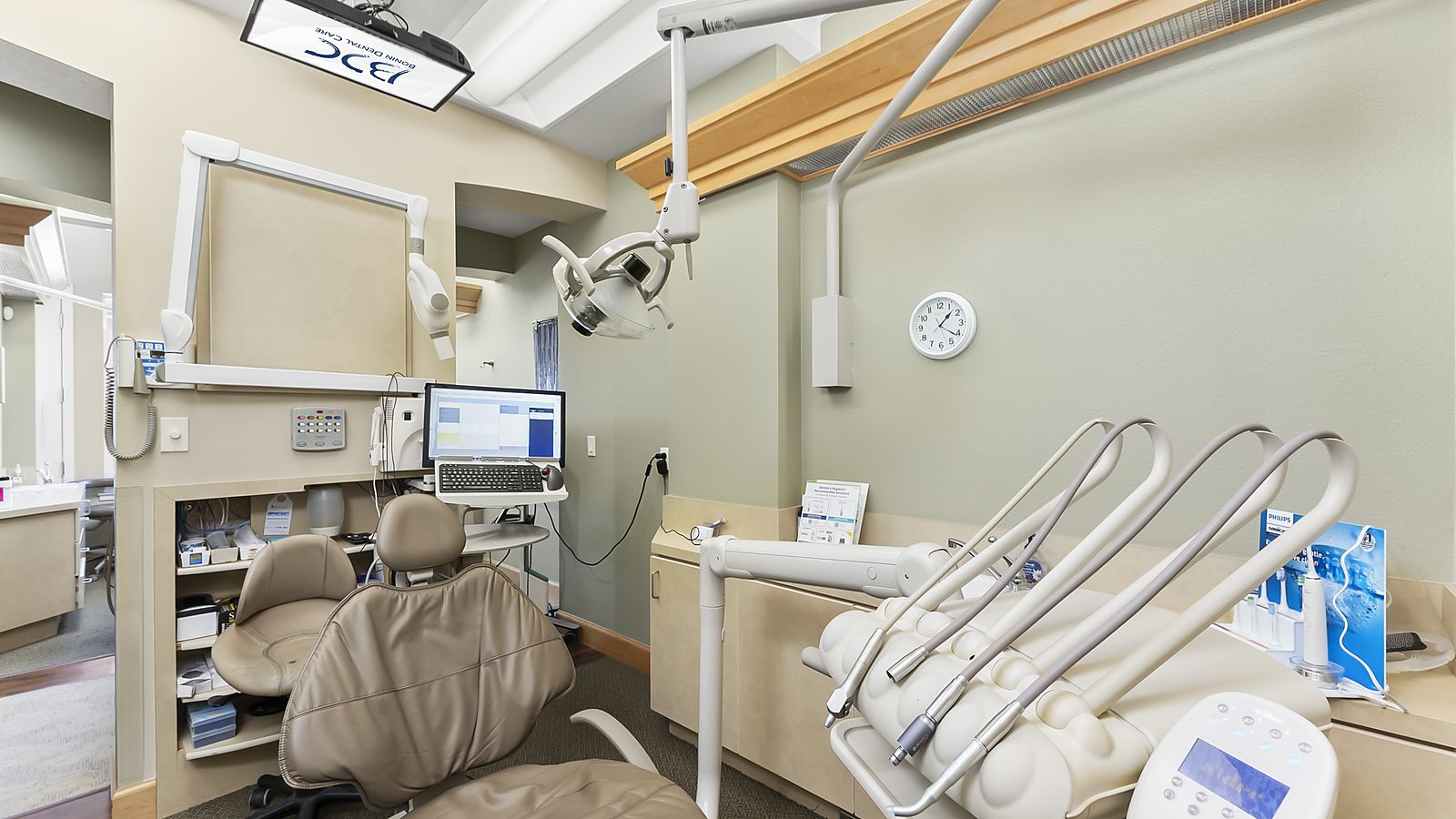
If you have not been to the dentist in several years, the thought of finally going back can feel daunting. You may worry about judgment, about how bad your teeth have become, about what treatment will be necessary, or about the cost. These are understandable concerns, and they are not unique to you. Many people find themselves in this exact situation. The good news is that you can return to dental care without shame, and starting is often easier than you anticipate.
Why You Might Have Stayed Away
There are many reasons why people avoid the dentist for extended periods. Dental anxiety or phobia is common and leads some people to avoid care indefinitely. Financial concerns, lack of insurance, or difficulty affording treatment keep others away. Some people simply got busy with life and let dental visits slip off their priority list. Others had a negative experience with a previous dentist and avoided care as a result. Some struggle with depression or other mental health issues that make self-care, including dental care, feel impossible.
Whatever your reason, know that it is not uncommon, and it does not define your character. People return to dental care regularly, and so can you.
What to Expect at Your First Appointment Back
Your first appointment after a long gap will likely be longer than a typical dental visit. Dr. Bonin will need time to thoroughly examine your mouth, take X-rays, and assess what treatment might be needed. The appointment may feel more involved, but that is because we need a comprehensive baseline understanding of your oral health.
Dr. Bonin will ask about your medical history, any health conditions you have developed since your last visit, any medications you are taking, and what prompted you to come in now. Answer honestly. This information helps him provide safe, appropriate care. He will ask about any pain, sensitivity, or problems you have been experiencing.
The examination itself is straightforward. Dr. Bonin will look at your teeth, check for decay or damage, assess your gums, and look for any signs of oral disease. X-rays will likely be taken to see between teeth and below the gum line. You may hear or see things that feel uncomfortable or embarrassing, but remember that Dr. Bonin has seen it all, and his only goal is to help you move forward with your care.
After the examination, Dr. Bonin will discuss his findings. He will explain what is healthy and what needs treatment. He will not shame you or make you feel judged. His approach is to help you understand your current oral health status and what steps will improve it.
Being Honest About Your Situation
Honesty is crucial during this appointment. Tell Dr. Bonin if you have been avoiding the dentist due to anxiety. Tell him if you are concerned about cost. Tell him if you have not been able to maintain good oral hygiene due to depression or other challenges. Tell him if you are embarrassed about the state of your teeth. There is nothing in your situation that will shock him or cause him to judge you.
Many people avoid the dentist because they are embarrassed about their teeth. Then they feel more embarrassed the longer they avoid care, creating a vicious cycle. Breaking that cycle requires one courageous appointment. You walk in, you acknowledge where you are, and you move forward from there. That is all that is required.
Discussing Treatment and Cost
After Dr. Bonin explains what treatment you need, ask questions. Ask what is necessary for your health now versus what can wait. Ask about the cost of different treatment options. If you do not have insurance or if cost is a significant concern, ask about payment plans or reduced-cost options. Many dental offices work with patients on cost and are willing to phase treatment over time to make it more affordable.
If cost is a barrier, it is much better to tell Dr. Bonin that now rather than avoiding care again because you cannot afford it all at once. Many treatment plans can be prioritized, with emergency or painful issues addressed first and cosmetic or less urgent issues handled later.
Addressing Anxiety
If dental anxiety has been keeping you away, talk to Dr. Bonin about it. He has experience working with anxious patients and can discuss accommodations and sedation options that might help you. Nitrous oxide is an excellent option for mild to moderate anxiety. For more severe anxiety, oral sedation might be appropriate. Even without sedation, Dr. Bonin can modify his approach to make the experience feel less anxiety-provoking.
Taking the First Step
Scheduling the appointment is often the hardest part. Once it is scheduled, it is real. You have a commitment. Call Bonin Dental Care and say, “I have not been to the dentist in several years and I want to come back.” That is all you need to say. The staff will understand. They deal with this regularly.
Let them know if you have anxiety so they can note it in your file and ensure the appointment is scheduled in a way that gives you time and support. Ask questions about what to bring or what to expect. Get clear answers so you feel prepared.
After Your First Appointment
After your first appointment, you will have a treatment plan. This plan might involve several visits, depending on what treatment you need. Start with what Dr. Bonin recommends as priority. Do not try to do everything at once if cost is a barrier. Instead, work through treatment systematically.
After your appointment, you might feel relieved, or you might feel overwhelmed by what needs to be done. Both responses are normal. Focus on the fact that you took the courageous step of going back. You have now reconnected with dental care, and every appointment after this first one will get easier.
Moving Forward
Your goal now is to establish regular dental cleanings and exams going forward. Seeing Dr. Bonin twice per year once your immediate treatment is complete will keep your teeth healthy and prevent future emergencies.
Take care of your teeth at home by brushing twice daily, flossing once daily, and limiting sugary foods and drinks. These habits compound over time and make a huge difference in your oral health.
If you have been away from the dentist for years, know that you are not alone and that you are not being judged. Every single day, people return to dental care after extended absences. You can too. The hardest part is scheduling that first appointment. Everything else flows from there.
Contact Bonin Dental Care today to schedule your appointment. Dr. Bonin and his team will welcome you back to care with no judgment, only a commitment to helping you achieve and maintain good oral health.
Written by
Dr. Scott Bonin, DDSGeneral and cosmetic dentist at Bonin Dental Care in Windsor, California. USC School of Dentistry graduate, Navy veteran, and member of the American Dental Association, California Dental Association, and American Academy of Cosmetic Dentistry. Over 24 years of clinical experience serving Sonoma County families.
View full credentialsClinical note: This article is for educational purposes and does not replace a professional examination. Every patient's situation is unique. If you have questions about your specific dental health, please schedule an appointment or call (707) 838-1400.
Common Questions
Frequently asked questions
- Will my dentist judge me for not coming in for years?
- No. Dental professionals understand that life circumstances, anxiety, finances, and other factors can delay care. At Bonin Dental Care, we focus on where you are now and how to move forward, not on how long it has been.
- What happens at my first appointment back after a long gap?
- Expect a comprehensive examination including X-rays, a gum health assessment, and a thorough cleaning. Your dentist will identify any issues, explain their severity honestly, and create a prioritized treatment plan you can manage at your own pace.
- Is it too late to fix my teeth if I haven't been to the dentist in 10 years?
- It is rarely too late. Modern dentistry can address extensive decay, gum disease, and missing teeth at virtually any stage. The first step is always an honest assessment followed by a realistic plan.
Related Services
Explore the treatments behind this topic
Ready to talk with Dr. Bonin about what you just read? Here are the procedures at Bonin Dental Care most closely connected to this article. Each page explains how we do the work, what to expect, and how to get started.
-
General & Preventive
Dental Cleanings
Professional cleanings remove tartar and buildup that home care cannot reach, preventing decay and gum disease.
Learn about this service -
General & Preventive
General Dentistry
Comprehensive exams, professional assessments, and preventive strategies designed to catch problems early and keep your smile healthy.
Learn about this service -
Comfort & Sedation
Sedation & Anxiety Dentistry
Oral conscious sedation and nitrous oxide (laughing gas) help anxious patients complete necessary dental care in a calm, comfortable state. Dr. Bonin takes the time to know you, educate you, and choose the right approach.
Learn about this service
Ready to book your visit with Dr. Bonin?
New patients welcome. Call (707) 838-1400 or request an appointment online.
Keep Reading
More from our library
-

The True Cost of Delaying Dental Treatment
A small cavity becomes a crown. A crown becomes a root canal. Delay compounds both clinical complexity and financial cost. Real examples from practice.
-

How to Communicate Your Anxiety to Your Dentist
Your dentist cannot help with anxiety they do not know about. Learn how to start the conversation and what accommodations are available.
-

Overcoming Dental Phobia: A Psychologist's Perspective
Dental phobia is a real clinical condition affecting up to 15 percent of adults. Learn cognitive-behavioral techniques that help patients return to the chair.