Patient Education
Technology & InnovationCAD/CAM Dentistry: Same-Day Restorations Explained
Computer-aided design and manufacturing lets dentists create crowns, inlays, and veneers in a single appointment. Learn how the process works.
- Technology & Innovation
- Dental Crowns
- Restorative Dentistry
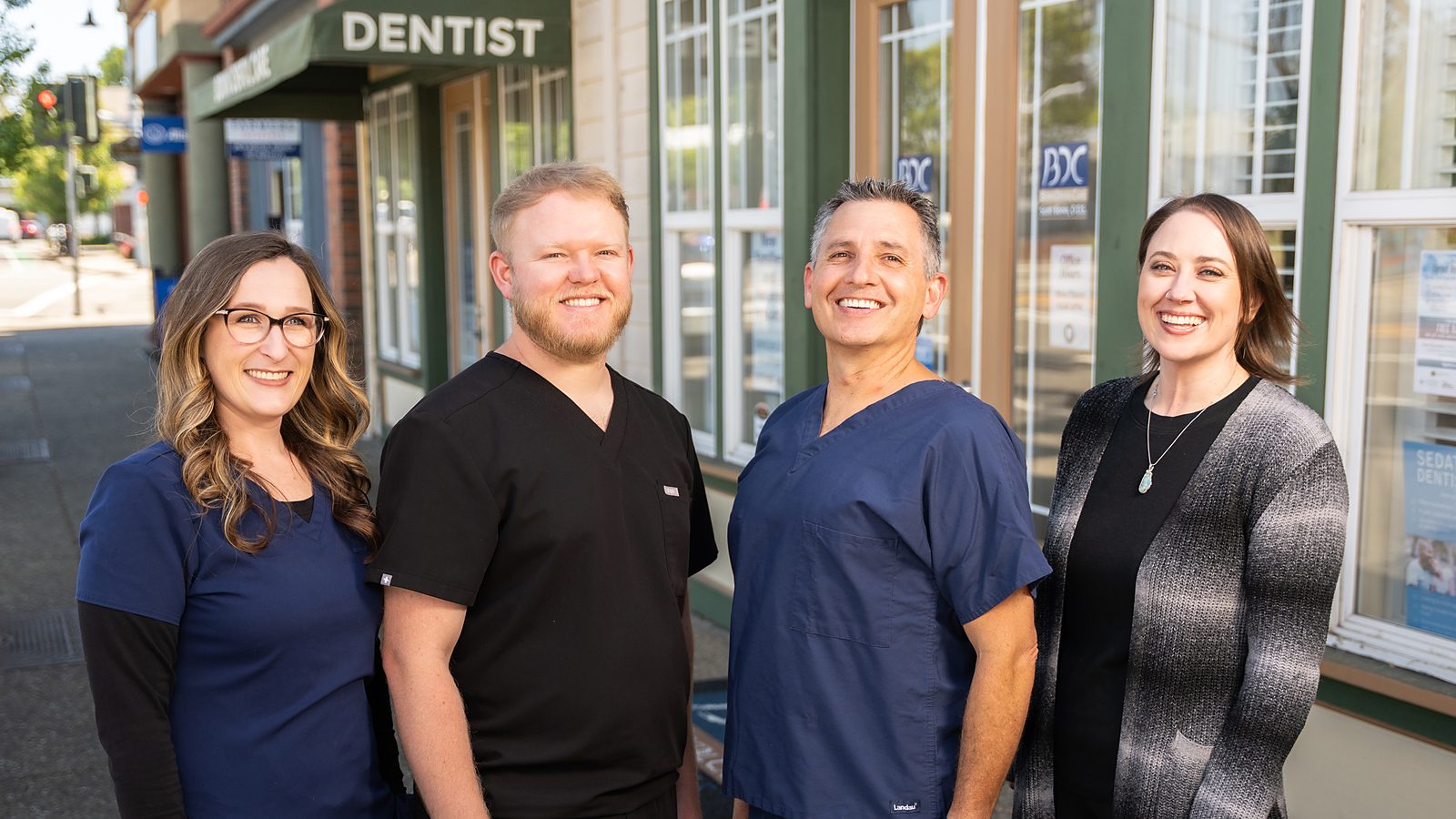
One of the biggest advances in modern dentistry is the ability to fabricate dental crowns and other restorations in a single visit. CAD/CAM technology (computer-aided design and manufacturing) eliminates the need for temporary restorations and multiple appointments. You arrive needing a crown; you leave the same day with your permanent crown in place. This technology has transformed dental efficiency and patient experience, particularly for patients who can’t easily return for second appointments.
How CAD/CAM Works
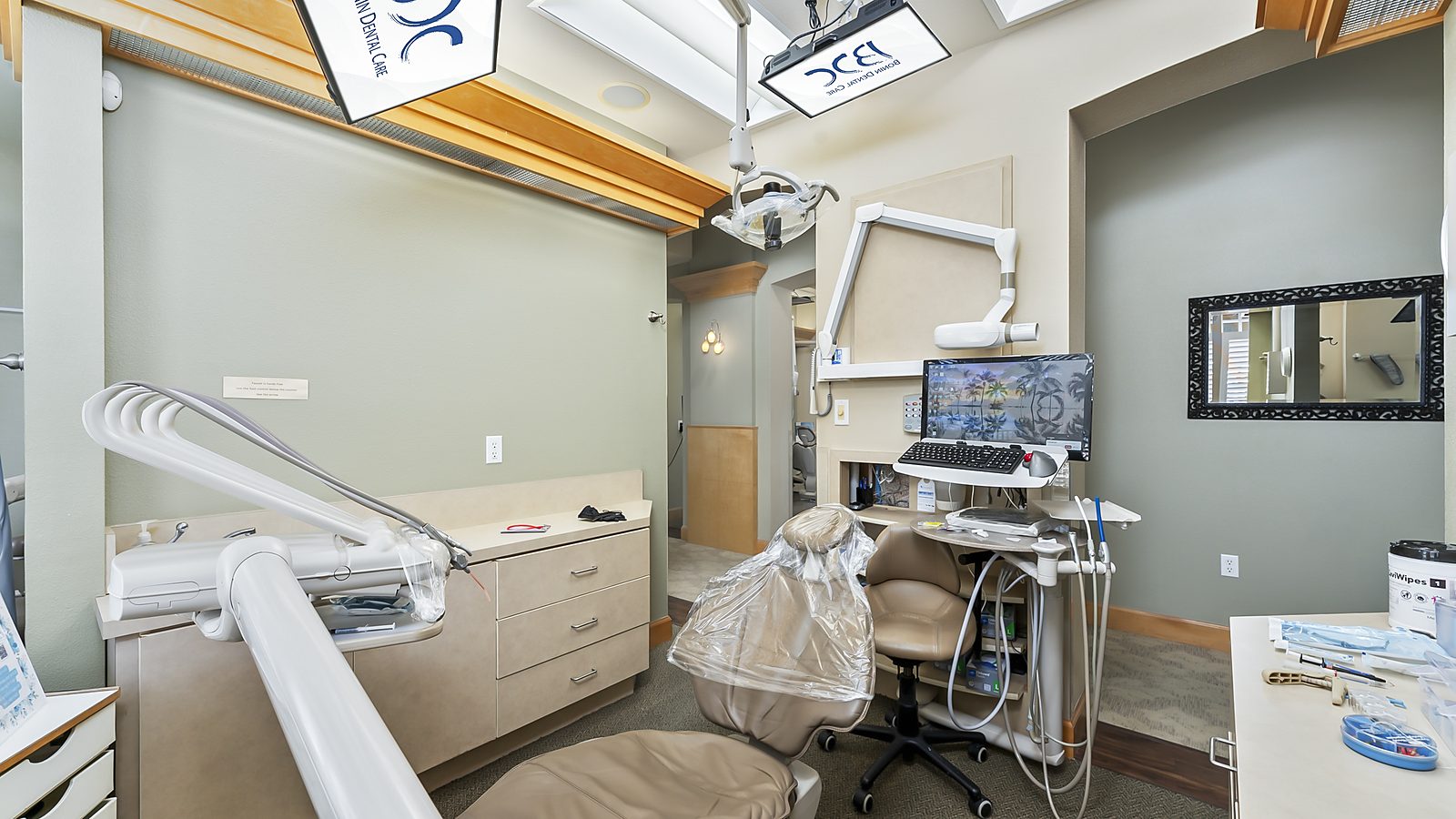
CAD/CAM dentistry combines three technologies. First, a digital impression is captured using an intraoral scanner. The scanner creates a precise 3D model of your tooth and surrounding structures.
Second, dental design software allows the dentist to design the restoration digitally. Computer software shows the tooth preparation, displays design options, and allows customization of the restoration. The dentist designs exactly what the finished crown will look like before milling begins.
Third, an on-site milling machine fabricates the restoration. Based on the digital design, the milling unit carves the crown from a ceramic or resin block. The entire milling process takes 10-20 minutes depending on restoration complexity and machine speed. The dentist places the restoration in your mouth the same visit.
Traditional Versus CAD/CAM Workflow
Traditional crown treatment involves two appointments. At the first appointment, the dentist prepares the tooth and takes a traditional impression. A temporary crown is placed to protect the tooth. The impression is sent to a dental lab where technicians fabricate the permanent crown over several days. You return a week or two later for a second appointment where the temporary is removed and the permanent crown is placed.
This workflow means wearing a temporary crown (uncomfortable and sometimes esthetically poor) for a week. It requires two appointments and driving to the office twice. If the permanent crown doesn’t fit perfectly, adjustments are made at the second appointment, or you return again. If the color isn’t right, the crown might need to be sent back to the lab for adjustment.
CAD/CAM eliminates all these issues. Everything happens in one appointment. No temporary crown. No waiting for lab work. No second appointment. One appointment and you’re done.
Advantages of Same-Day Restorations
The convenience is obvious. One appointment instead of two eliminates half your treatment time and travel burden. For busy patients, working professionals, or patients who travel, same-day restorations are transformative.
Same-day restorations are also more comfortable. No temporary crown means no days of dental sensitivity and awkward temporary margins. Your tooth is restored to normal function immediately.
The restoration is more accurate. Digital design and fabrication eliminate hand-made variability. The crown is designed and milled to your tooth’s exact specifications. Fit is typically better than lab-made crowns because there’s no shrinkage or distortion in milling.
Esthetic results are often superior because digital design allows precise color and shape matching. The milling unit precisely fabricates the shape to spec. Color can be verified immediately in your mouth; if adjustment is needed, modifications happen during the same visit rather than requiring return to the lab.
Restoration Quality and Longevity
A common concern is whether CAD/CAM restorations are as durable as traditional lab-made restorations. Research shows same-day restorations perform as well as traditional crowns. Ceramic CAD/CAM crowns have excellent longevity, often lasting 10-15 years or longer with proper care.
The material quality is comparable to lab-made crowns. The milling process produces precision that rivals laboratory fabrication. The adhesive and cementation protocols are the same as traditional crowns.
One advantage of CAD/CAM is that if a restoration fails, a new one can be fabricated immediately. If a lab-made crown breaks, you’re without a tooth while waiting for lab repair. With CAD/CAM, the new crown is milled and placed the same day.
Limitations of CAD/CAM
Not all restorations are ideal for CAD/CAM fabrication. Simple single crowns work great. Multiple adjacent crowns are often fabricated separately, then cemented individually, which sometimes results in slightly different heights or contours between adjacent crowns. For complex multi-tooth cases, traditional lab-made restorations sometimes achieve better esthetic coordination.
Some esthetic demands are better met with traditional lab work. Highly esthetic cases where the crown must match natural tooth translucency and color complexity sometimes benefit from hand-contoured lab restorations. A skilled lab technician can hand-paint characteristics that milling can’t replicate.
Certain restoration types (removable prosthetics, dentures, some bridges) aren’t fabricated with CAD/CAM technology. If you need a bridge with multiple teeth, traditional lab work is typically used.
Advanced implant crowns requiring perfect contours and ultimate esthetics sometimes benefit from traditional lab fabrication. However, CAD/CAM implant crowns are increasingly good and often sufficient.
Inlays, Onlays, and Other Restorations
CAD/CAM isn’t limited to crowns. Inlays (tooth-colored restorations inside the tooth) and onlays (restorations covering part of the tooth) can be fabricated same-day. Some practices even use CAD/CAM for veneers, though veneers are usually sent to labs for best esthetic results.
Temporary crowns and bridges can be CAD/CAM fabricated from resin while waiting for permanent restorations, improving temporary crown quality.
Technology Integration
CAD/CAM integrates with digital impressions and guided surgery. When implants are placed with guided surgery using digital planning, the implant position is known precisely. The digital implant position is used to design the crown before surgery. After implant placement, the crown is milled to fit the exact implant position. The restoration is often ready immediately after osseointegration or sometimes even on the day of implant placement (same-day implant restoration).
For implant cases, Dr. Bonin works with an oral surgeon who places the implant, then handles the restorative side in our office, including the digital design and fabrication of your final implant crown. You get a specialist for the surgery and one familiar office for the restoration and long-term maintenance.
This integration of digital planning, guided surgery, and CAD/CAM fabrication represents the frontier of modern restorative dentistry.
Cost Considerations
Same-day restorations cost more than traditional restorations because of the technology investment and on-site milling. However, the time savings often offset the higher cost. You make one appointment instead of two. You don’t miss additional work time. You avoid temporary crown discomfort.
Insurance may not always cover CAD/CAM restorations at full benefit if they’re considered more advanced than traditional crowns. At Bonin Dental Care, we work with your insurance to maximize coverage. Even if your plan covers traditional crowns at a higher percentage, the convenience and quality of same-day restorations often justify patient out-of-pocket difference.
Patient Experience
At Bonin Dental Care, when you’re receiving a CAD/CAM crown, the experience is streamlined. Your tooth is prepared. A digital impression is captured (much more comfortable than traditional impressions). Dr. Bonin designs your crown, showing you the design on the screen. The crown is milled while you relax or refresh. The crown is tried in, any needed adjustments are made, and it’s cemented. You leave with your finished restoration.
The entire process usually takes 2-3 hours for a single crown, less than the time you’d normally spend on two appointments spread across two weeks.
When to Choose Same-Day Restorations
CAD/CAM is ideal if you want maximum convenience. If you can’t easily take time off work for a second appointment, same-day restorations solve the problem. If you need a tooth restored quickly for an upcoming event, same-day restorations are the answer.
If esthetic demands are moderate and you want good quality with convenience, CAD/CAM is excellent. If you need the ultimate esthetic result and are willing to wait for lab work, traditional restorations might be preferred.
For most patients, CAD/CAM same-day restorations are the right choice. The convenience, quality, and patient experience make them the modern standard.
CAD/CAM at Bonin Dental Care
Dr. Bonin uses CAD/CAM technology for most crown cases. We have both a scanner for digital impressions and on-site milling for restoration fabrication. This allows us to offer same-day restorations for most patients.
If your case is better served by traditional lab work, we’ll discuss that with you. But for most crowns, inlays, and onlays, we offer same-day fabrication because we believe it serves you better.
Schedule a consultation at Bonin Dental Care in Windsor, California to discuss your restoration needs and experience how same-day CAD/CAM restorations can restore your smile in a single appointment.
Written by
Dr. Scott Bonin, DDSGeneral and cosmetic dentist at Bonin Dental Care in Windsor, California. USC School of Dentistry graduate, Navy veteran, and member of the American Dental Association, California Dental Association, and American Academy of Cosmetic Dentistry. Over 24 years of clinical experience serving Sonoma County families.
View full credentialsClinical note: This article is for educational purposes and does not replace a professional examination. Every patient's situation is unique. If you have questions about your specific dental health, please schedule an appointment or call (707) 838-1400.
Related Services
Explore the treatments behind this topic
Ready to talk with Dr. Bonin about what you just read? Here are the procedures at Bonin Dental Care most closely connected to this article. Each page explains how we do the work, what to expect, and how to get started.
-
Restorative
Dental Crowns
A crown is a custom-made restoration that fully covers a weakened or broken tooth, restoring strength, appearance, and function. Includes implant-supported crowns coordinated with our surgical partners.
Learn about this service -
Restorative
Restorative Dentistry
Comprehensive restorative dentistry rebuilds multiple teeth using crowns, bridges, fillings, implants, and strategic planning.
Learn about this service -
Restorative
Dental Bridges
A dental bridge replaces one or more missing teeth by anchoring a custom restoration to neighboring teeth.
Learn about this service
Ready to book your visit with Dr. Bonin?
New patients welcome. Call (707) 838-1400 or request an appointment online.
Keep Reading
More from our library
-
Same-Day Crowns vs Traditional Crowns: Pros and Cons
CEREC and other CAD/CAM systems can produce crowns in one visit. Compare accuracy, materials, aesthetics, and when a lab-made crown is still preferred.
-
How Modern Dental Materials Have Changed in the Last Decade
Zirconia, lithium disilicate, bioactive cements, and nano-composites have transformed durability and aesthetics. A look at what is different and why it matters.
-
Guided Implant Surgery: Precision Through Technology
Computer-guided surgery uses CT scans and 3D-printed guides to place implants with sub-millimeter accuracy. Learn the process and its advantages.