Patient Education
Sedation & AnxietyMusic, Distraction, and Comfort Techniques During Dental Procedures
Headphones, weighted blankets, aromatherapy, and other non-pharmacological approaches can significantly reduce dental anxiety. Learn what works.
- Patient Comfort
- Dental Anxiety
- Dental Tips
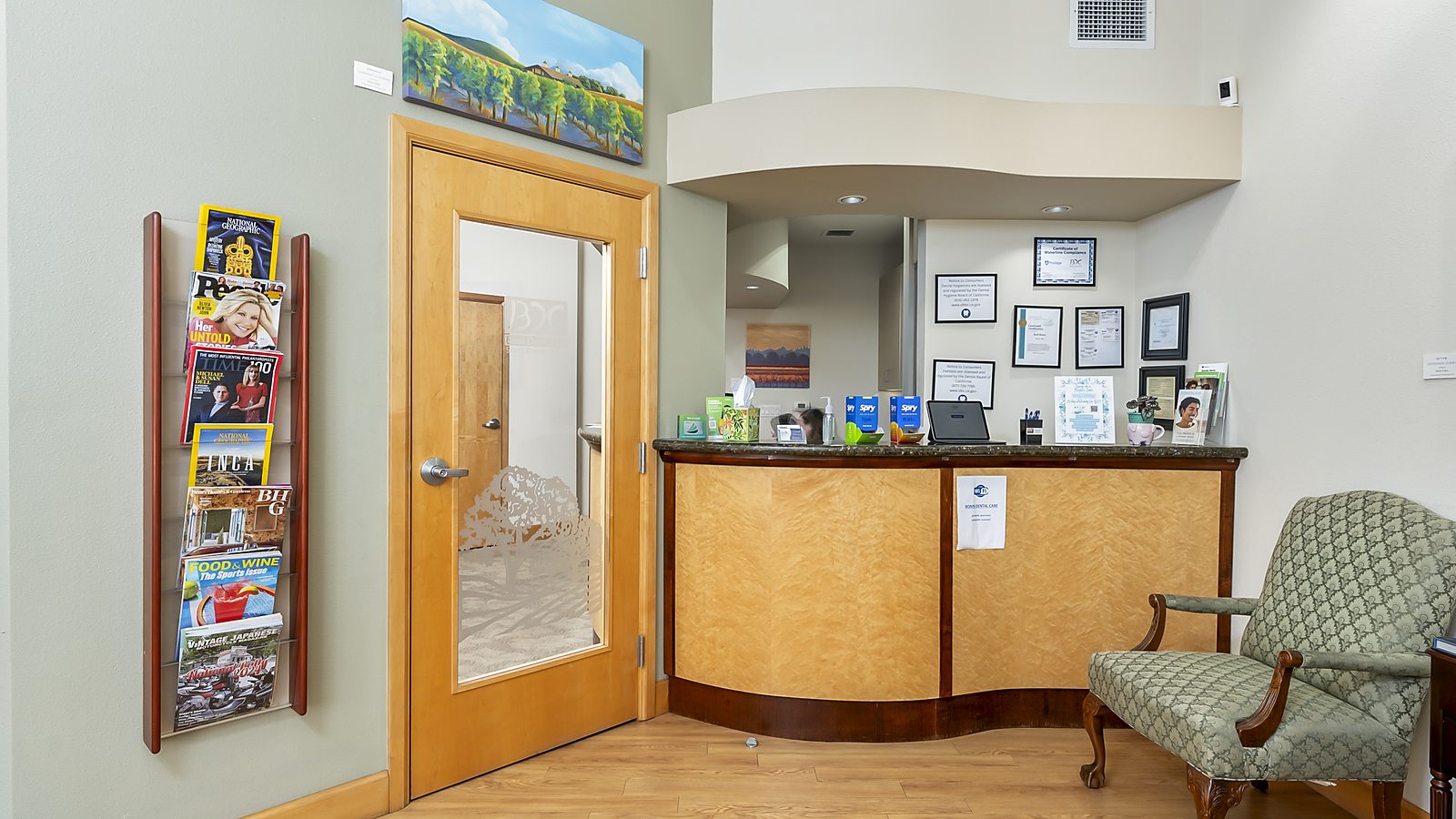
For patients with mild to moderate dental anxiety, a combination of comfort techniques and distraction strategies can significantly reduce discomfort and anxiety during dental procedures. These non-pharmacological approaches, also called comfort measures, work alongside or sometimes instead of sedation. They are safe, simple, and can be tailored to what works best for you. Dr. Bonin at Bonin Dental Care is happy to incorporate these techniques into your appointments.
The Power of Music and Headphones
One of the most effective comfort techniques is listening to music through headphones during your procedure. Music serves multiple purposes simultaneously. It masks the sounds of the dental drill and suction, which many people find anxiety-provoking. It provides an auditory escape that keeps your mind engaged and distracted from what is happening in your mouth. It can promote relaxation if you choose calming music, or it can energize and engage you if you prefer upbeat music.
Before your appointment, create a playlist of music that brings you comfort. This might be classical music if you find it calming, or music that simply makes you feel good. Bring your own headphones or earbuds, or ask Bonin Dental Care whether we can provide headphones. Some offices have designated headphones available for patient use.
The beauty of music is that it is completely safe, has no side effects, and works for many people. Even if it does not eliminate your anxiety completely, it usually reduces it significantly.
Visual Distraction
For some people, watching what is happening is calming because it removes the fear of the unknown. For others, watching the procedure makes anxiety worse. Know yourself and communicate your preference to Dr. Bonin.
If you prefer distraction over watching, Dr. Bonin can position the overhead light and instruments out of your direct line of sight, or you can look away during the procedure. Some dental offices have screens or TVs positioned for patients to watch if they prefer distraction through television or other visual content.
If you prefer visual engagement with something calming, ask whether there are nature scenes, art, or other visuals you can focus on during your procedure.
Temperature and Tactile Comfort
The temperature of the room and your own body temperature affect your sense of comfort and relaxation. A cool room is often more comfortable for dental patients than a warm room. If you feel cold during your procedure, ask for an extra blanket or drape. If you feel warm, ask if the temperature can be adjusted.
Some patients find that holding a stress ball or fidget toy helps them manage anxiety. This gives your hands something to do and can channel nervous energy productively. If this helps you, ask Dr. Bonin whether you can hold something during your appointment.
Weighted blankets, though less commonly used during dental procedures, can provide a sense of calm and grounding for some people. If you have extreme anxiety, ask whether Dr. Bonin can use a weighted blanket or weighted lap pad during your appointment.
Aromatherapy and Scent
Some dental offices use aromatherapy to create a calming environment. Scents like lavender, peppermint, or eucalyptus are associated with relaxation and stress reduction for many people. If you have a scent that brings you comfort, mention it to Dr. Bonin. Some offices can place a diffuser in the treatment room or allow you to smell a scented item before your appointment.
Be aware, however, that not all scents work the same way for everyone, and some people find strong scents overwhelming rather than calming. If aromatherapy does not appeal to you, skip it.
Breathing and Progressive Relaxation
Before your appointment and during breaks in the procedure, practicing deep breathing can significantly reduce anxiety. Breathe in slowly through your nose for a count of four, hold for a count of four, and exhale slowly through your mouth for a count of four. This activates your parasympathetic nervous system, which is responsible for the relaxation response.
Progressive muscle relaxation, which involves tensing and then releasing different muscle groups throughout your body, can also reduce anxiety. Before your appointment, systematically tense each muscle group for five seconds and then relax it. This helps release physical tension that often accompanies anxiety.
Hand Signals and Control
Knowing that you can stop the procedure if needed gives you a sense of control that reduces anxiety. Ask Dr. Bonin to establish a hand signal you can use if you need a break or if something feels uncomfortable. Even if you never use the signal, knowing it is available can be tremendously calming.
Sometimes the anxiety decreases simply because you feel you have control, even though you may not exercise that control during the appointment.
Comfort Items and Support
Some people benefit from having a support person present during their appointment. A family member or friend sitting nearby can be psychologically comforting. Holding someone’s hand during the procedure is another comfort measure that helps some patients.
If you want a comfort item with you, such as a small stuffed animal or a familiar object, ask whether you can bring it to your appointment. The sight of something familiar can be grounding and anxiety-reducing.
Preparation and Information
Knowing what to expect reduces anxiety significantly. Before your appointment, ask Dr. Bonin to explain what will happen, what tools will be used, what sounds you might hear, and how long the procedure might take. Understanding that the drill sound is loud but not indicating danger, for example, can help you interpret the sound as less threatening.
Some dental offices have videos or photos showing the treatment environment and equipment. Watching these before your appointment familiarizes you with the space and can reduce anxiety.
Combining Techniques
Different techniques work for different people, and combining techniques often works better than using one alone. You might use music through headphones while practicing deep breathing and knowing you have a hand signal available. You might have a comfort item and a support person present while listening to calming music.
Work with Dr. Bonin to identify which combination of techniques works best for you. Your comfort is his priority.
When to Use Sedation
Comfort techniques are excellent for mild to moderate anxiety, but they may not be sufficient for severe anxiety or phobia. If you have tried comfort measures and still find dental appointments unbearable, talk to Dr. Bonin about sedation options. Nitrous oxide or oral sedation can be combined with comfort techniques for maximum anxiety reduction.
Making Dental Care Comfortable
You deserve to receive dental care in a comfortable, supportive environment. Simple comfort techniques can make a huge difference in your experience during procedures. Talk to Dr. Bonin about what would help you feel more comfortable, and work together to create an appointment experience that works for you. With the right combination of support and technique, dental care can be tolerable and even pleasant, rather than anxiety-provoking.
Written by
Dr. Scott Bonin, DDSGeneral and cosmetic dentist at Bonin Dental Care in Windsor, California. USC School of Dentistry graduate, Navy veteran, and member of the American Dental Association, California Dental Association, and American Academy of Cosmetic Dentistry. Over 24 years of clinical experience serving Sonoma County families.
View full credentialsClinical note: This article is for educational purposes and does not replace a professional examination. Every patient's situation is unique. If you have questions about your specific dental health, please schedule an appointment or call (707) 838-1400.
Related Services
Explore the treatments behind this topic
Ready to talk with Dr. Bonin about what you just read? Here are the procedures at Bonin Dental Care most closely connected to this article. Each page explains how we do the work, what to expect, and how to get started.
-
Comfort & Sedation
Sedation & Anxiety Dentistry
Oral conscious sedation and nitrous oxide (laughing gas) help anxious patients complete necessary dental care in a calm, comfortable state. Dr. Bonin takes the time to know you, educate you, and choose the right approach.
Learn about this service -
General & Preventive
General Dentistry
Comprehensive exams, professional assessments, and preventive strategies designed to catch problems early and keep your smile healthy.
Learn about this service -
General & Preventive
Dental Cleanings
Professional cleanings remove tartar and buildup that home care cannot reach, preventing decay and gum disease.
Learn about this service
Ready to book your visit with Dr. Bonin?
New patients welcome. Call (707) 838-1400 or request an appointment online.
Keep Reading
More from our library
-
Dental Anxiety Is Common. Here's How We Handle It at Bonin Dental Care.
Dental anxiety affects millions. Learn signs, sedation options, behavioral techniques, and how Dr. Bonin rebuilds trust with anxious patients.
-
Sedation Dentistry Explained: Nitrous vs Oral Sedation vs IV
Learn about nitrous oxide, oral sedation, and IV sedation for dental anxiety. Understand safety, cost, and which option is right for you.
-
Digital Impressions vs Traditional Molds: Why We Switched
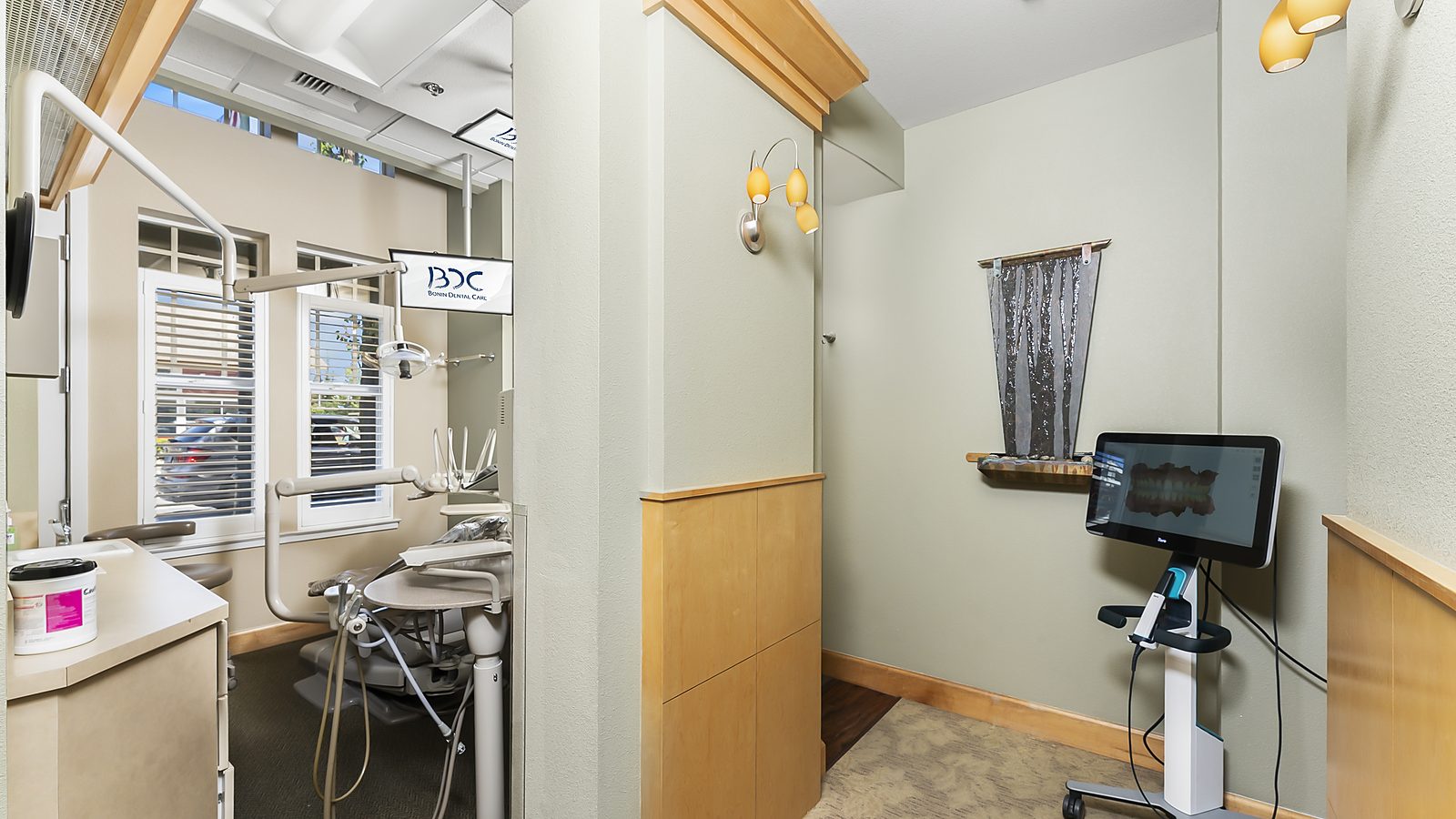
Intraoral scanners eliminate gag-inducing impression trays. Learn how digital impressions work, their accuracy advantages, and what the experience is like.