Patient Education
Restorative DentistrySame-Day Crowns vs Traditional Crowns: Pros and Cons
CEREC and other CAD/CAM systems can produce crowns in one visit. Compare accuracy, materials, aesthetics, and when a lab-made crown is still preferred.
- Dental Crowns
- Restorative Dentistry
- Technology & Innovation
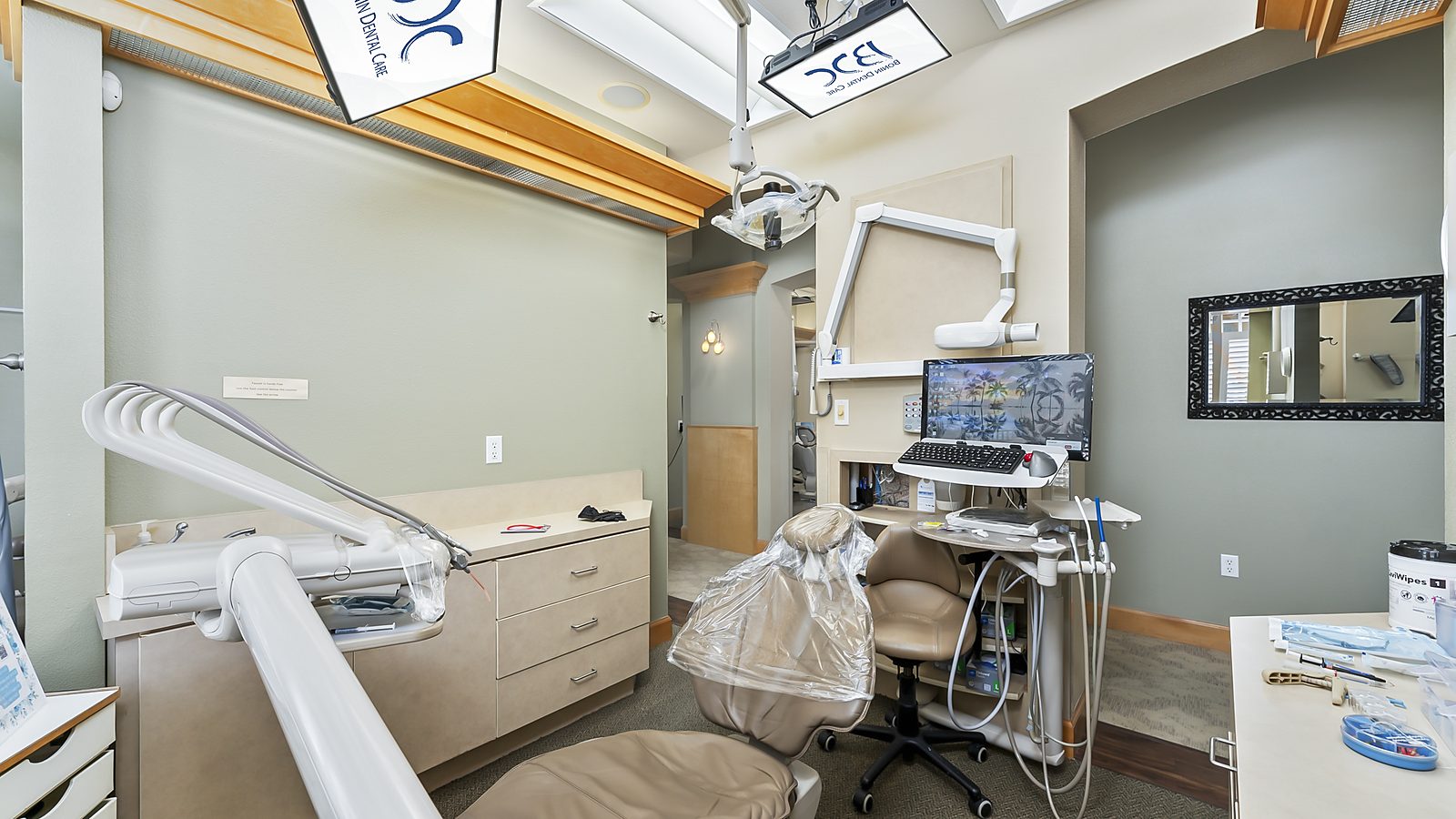
The advent of CAD/CAM technology has transformed how some dental crowns are made. Same-day crowns, also called CEREC crowns or milled crowns, can be fabricated and placed in a single appointment, eliminating the need for a temporary crown and a second appointment. This technological advance offers significant convenience, but it is not the right choice for every situation. Understanding the pros and cons between same-day crowns and traditional lab-fabricated crowns will help you and Dr. Bonin determine which approach is best for your tooth.
How Same-Day Crowns Are Made
Same-day crowns are created using digital scanning and milling technology. During your appointment, Dr. Bonin shapes your tooth to prepare it for a crown, then uses a specialized camera or scanner to create a detailed digital image of the prepared tooth. This digital image is used to design the crown on a computer. A milling machine then carves the crown from a block of ceramic or composite material while you wait.
The entire process, from preparation through seating the crown, typically takes one to two hours. By the end of your appointment, your new crown is in place. You leave the office with your permanent restoration.
How Traditional Crowns Are Made
With traditional crowns, Dr. Bonin prepares your tooth, takes a physical impression (or a digital impression that is sent to a lab), and fabricates a temporary crown to protect your tooth while the permanent crown is being made. You return one to two weeks later for the second appointment, at which time the temporary crown is removed and the permanent lab-made crown is cemented into place.
The temporary crown is made quickly in the office from a prefabricated shell or composite material. It is functional but usually cannot be shaped as precisely as a permanent crown, and it is more prone to damage or looseness.
Advantages of Same-Day Crowns
The most obvious advantage of same-day crowns is convenience. You complete your entire treatment in a single appointment. There is no temporary crown to manage, and you do not need to schedule and return for a second appointment. For busy patients, this single-visit approach is tremendously appealing.
Same-day crowns also eliminate the need for a temporary crown, which means you avoid the discomfort and inconvenience of wearing a temporary restoration that might feel loose, trap food, or have poor margins. You leave the office with a permanent restoration that should feel natural and fit your bite precisely.
Another advantage is predictability of the final result. Because Dr. Bonin is designing and milling the crown in real time, he can ensure the color, shape, and bite are exactly right before finishing. With lab-fabricated crowns, there is always the possibility that the lab’s interpretation of the prescription does not quite match what was intended, requiring adjustments at the second appointment.
Advantages of Traditional Crowns
Traditional lab-fabricated crowns offer advantages in certain situations. A skilled dental technician working in a laboratory has more time and flexibility to refine the crown’s appearance and fit. For highly visible front teeth where the crown must blend perfectly with adjacent teeth, a technician’s artistic skill and attention to detail can sometimes yield a superior aesthetic result.
Traditional crowns can also be made from a wider range of materials. Porcelain fused to metal crowns, which offer excellent aesthetics combined with exceptional strength, are typically not possible with current same-day technology. Some all-ceramic materials that perform exceptionally well may not be available for same-day milling.
For teeth with complex shaping requirements or for crowns that must coordinate precisely with surrounding teeth, traditional lab work sometimes offers more flexibility and superior results.
Material Differences
Current same-day crown technology typically uses ceramic or composite blocks that are milled to shape. These materials are strong and durable, and most patients are very satisfied with their longevity and appearance.
Traditional crowns can be made from a broader palette of materials, including all-ceramic, porcelain-fused-to-metal, all-metal, and zirconia. Each material has distinct properties and aesthetic characteristics. If a specific material is preferred for your situation, that material may only be available through traditional lab fabrication.
Esthetics and Accuracy
Both same-day and traditional crowns can achieve excellent aesthetics and accuracy. Modern same-day technology is sophisticated, and the digital design process allows for very precise control of crown shape and size.
However, for some patients and some tooth positions, traditional crowns still offer advantages. A technician can subtly refine shade and contour in ways that might be limited by current milling technology. For highly visible front teeth, some patients and dentists still prefer the human touch that a skilled technician provides.
Cost Considerations
Same-day crowns typically cost the same as or slightly more than traditional crowns. The time savings and convenience are not necessarily reflected in lower cost. However, avoiding a second appointment and temporary crown means you save time and potentially money from time off work.
Longevity
Both same-day crowns and traditional crowns can last ten to fifteen years or longer with proper care. The longevity depends more on the tooth’s health, your bite, your oral hygiene, and other factors than on whether the crown was made same-day or in a lab.
When Same-Day Crowns Make Sense
Same-day crowns are ideal for patients who value convenience and have time for a single longer appointment. They work well for back teeth where the appearance, while important, is not as critical as on front teeth. They are excellent for patients who have difficulty scheduling multiple appointments or who want to avoid temporary crowns.
Same-day crowns are also a great solution if you have experienced a broken tooth and need immediate restoration. A single appointment restores your tooth without the temporary crown phase.
When Traditional Crowns May Be Better
Traditional crowns may be preferable for front teeth where perfect shade matching and seamless blending with adjacent teeth is critical. They are the better choice if you have a preference for a specific crown material that is not available for same-day fabrication.
If you have a very complex crown situation, such as a tooth with unusual anatomy or a crown that must coordinate with multiple adjacent crowns, the additional time and customization that a laboratory technician can provide may yield superior results.
The Role of Your Dentist’s Experience
The success of a same-day crown depends significantly on your dentist’s experience with the technology. Dr. Bonin’s expertise in using CAD/CAM systems ensures that your same-day crown is fabricated with precision and placed correctly. A dentist who is new to the technology may have a learning curve that affects the quality of crowns produced.
Similarly, the relationships Dr. Bonin has developed with skilled laboratory technicians influences the quality of traditional crowns. When your dentist works regularly with experienced technicians who understand his specifications and preferences, better results typically follow.
Making Your Decision
When a crown is recommended, Dr. Bonin will discuss whether a same-day crown or a traditional crown is most appropriate for your situation. For many patients, a same-day crown offers ideal convenience without compromise. For others, a traditional crown may offer advantages.
The good news is that you have options. Whether you choose a same-day crown or a traditional crown, modern dentistry can provide you with a durable, functional restoration that serves your tooth well for many years.
If you need a crown and want to understand your options, contact Bonin Dental Care in Windsor to schedule a consultation with Dr. Bonin. We will evaluate your tooth and your preferences, and together we will decide which crown approach is best for you.
Written by
Dr. Scott Bonin, DDSGeneral and cosmetic dentist at Bonin Dental Care in Windsor, California. USC School of Dentistry graduate, Navy veteran, and member of the American Dental Association, California Dental Association, and American Academy of Cosmetic Dentistry. Over 24 years of clinical experience serving Sonoma County families.
View full credentialsClinical note: This article is for educational purposes and does not replace a professional examination. Every patient's situation is unique. If you have questions about your specific dental health, please schedule an appointment or call (707) 838-1400.
Related Services
Explore the treatments behind this topic
Ready to talk with Dr. Bonin about what you just read? Here are the procedures at Bonin Dental Care most closely connected to this article. Each page explains how we do the work, what to expect, and how to get started.
-
Restorative
Dental Crowns
A crown is a custom-made restoration that fully covers a weakened or broken tooth, restoring strength, appearance, and function. Includes implant-supported crowns coordinated with our surgical partners.
Learn about this service -
Restorative
Restorative Dentistry
Comprehensive restorative dentistry rebuilds multiple teeth using crowns, bridges, fillings, implants, and strategic planning.
Learn about this service -
Restorative
Dental Bridges
A dental bridge replaces one or more missing teeth by anchoring a custom restoration to neighboring teeth.
Learn about this service
Ready to book your visit with Dr. Bonin?
New patients welcome. Call (707) 838-1400 or request an appointment online.
Keep Reading
More from our library
-
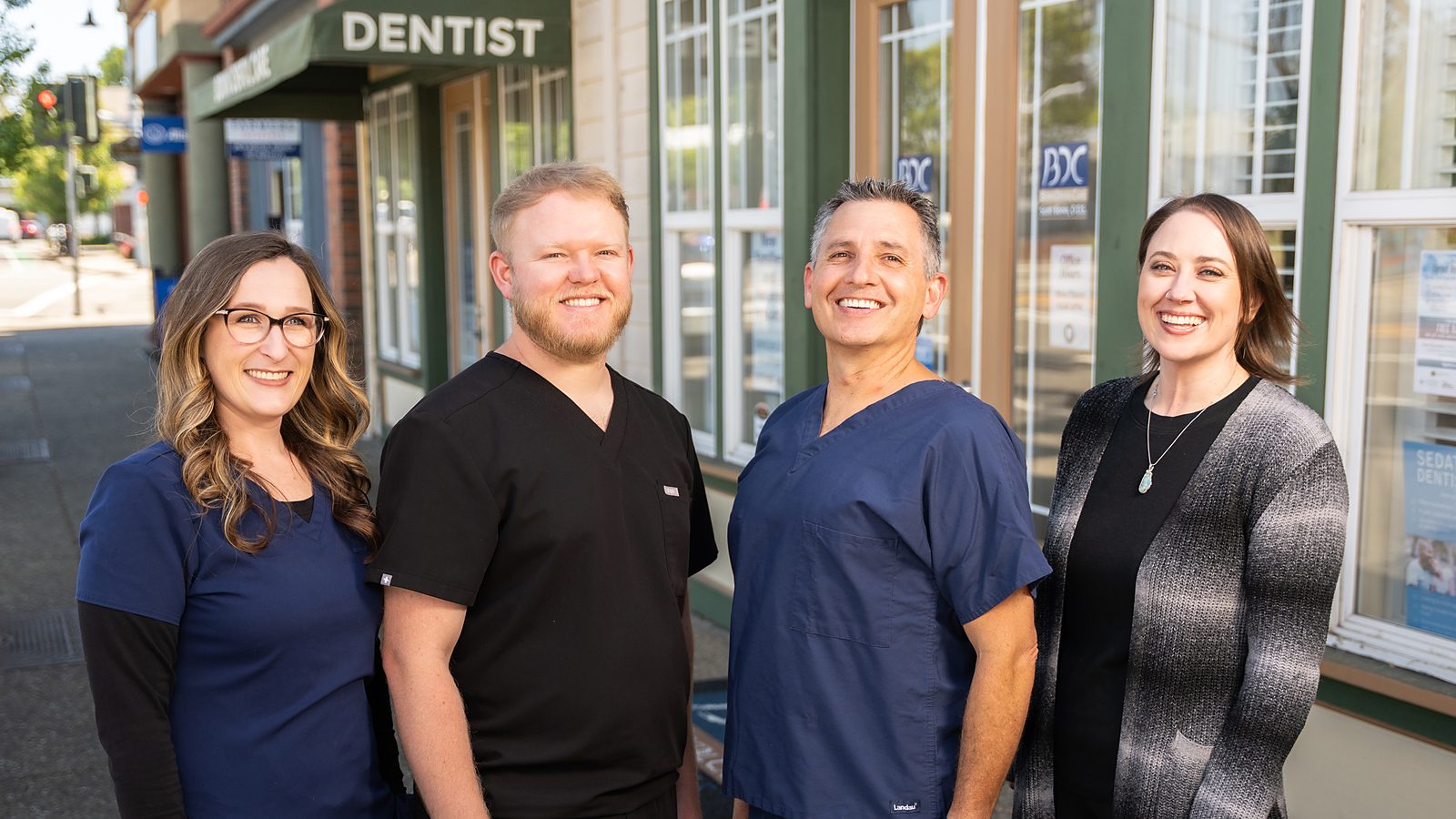
CAD/CAM Dentistry: Same-Day Restorations Explained
Computer-aided design and manufacturing lets dentists create crowns, inlays, and veneers in a single appointment. Learn how the process works.
-
How Modern Dental Materials Have Changed in the Last Decade
Zirconia, lithium disilicate, bioactive cements, and nano-composites have transformed durability and aesthetics. A look at what is different and why it matters.
-
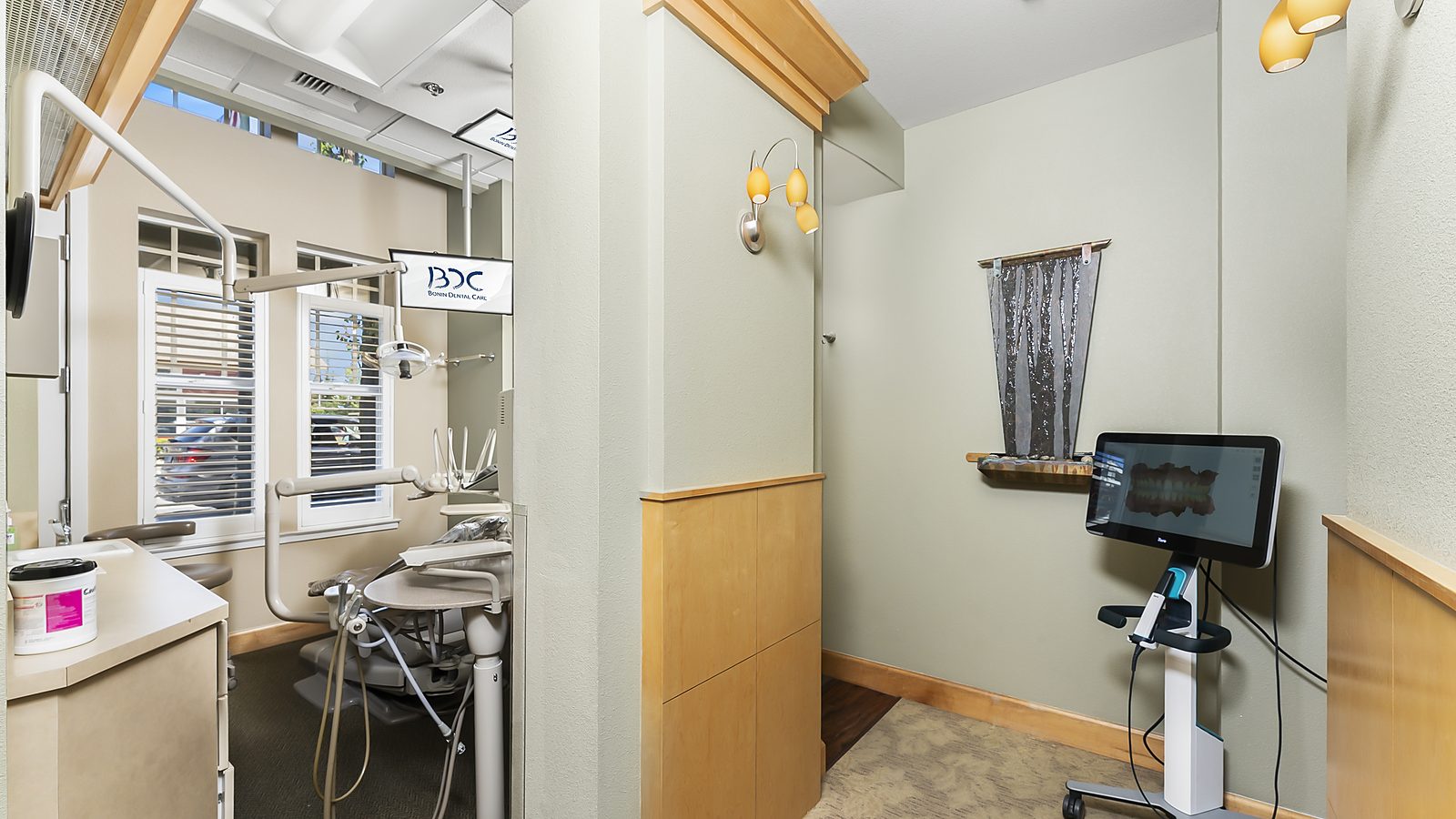
Guided Implant Surgery: Precision Through Technology
Computer-guided surgery uses CT scans and 3D-printed guides to place implants with sub-millimeter accuracy. Learn the process and its advantages.